

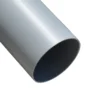
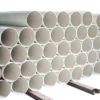
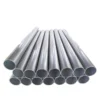
What Are the Differences Between Polypropylene Ducts and PVC Ducts?
When designing an industrial ventilation system, choosing the right duct material is essential for performance, durability, and cost-effectiveness. Two of the most common options are PP duct and PVC duct. While both offer excellent corrosion resistance and lightweight construction, polypropylene ducts often provide superior performance in demanding industrial environments.
Material Composition and Performance
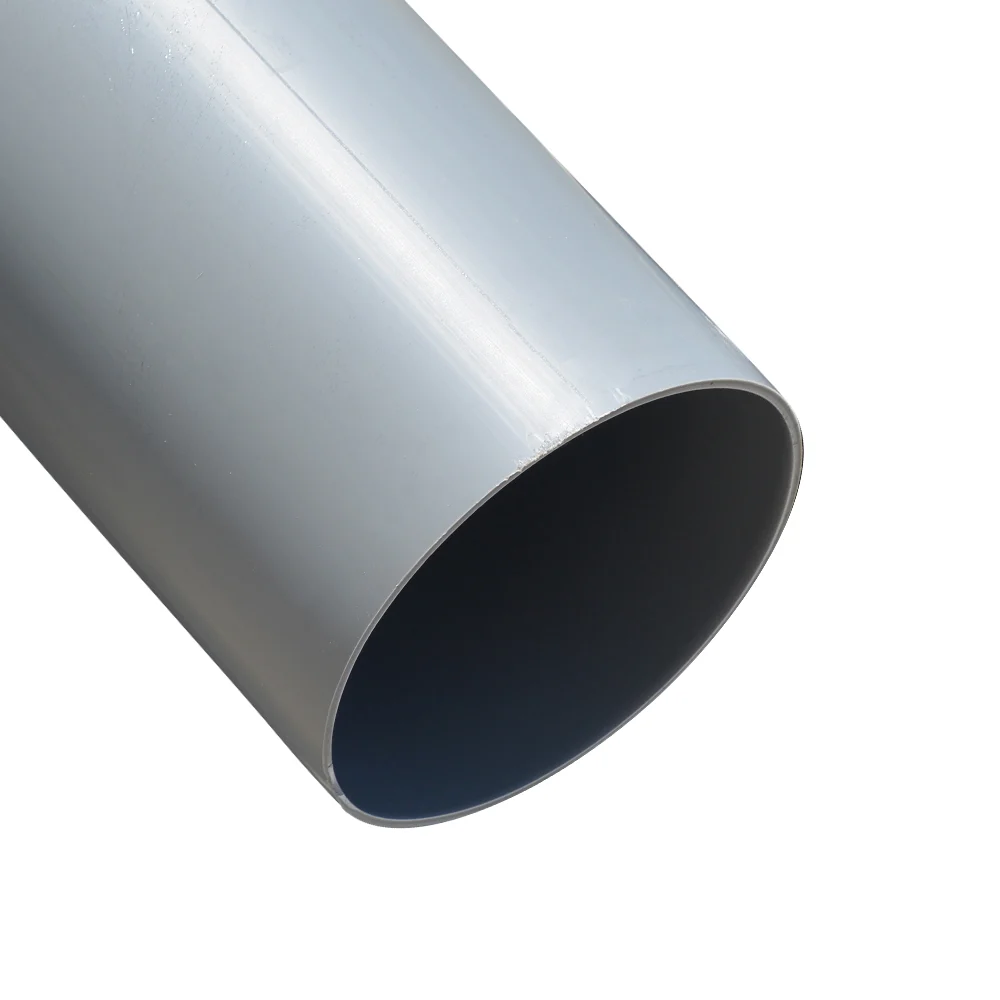
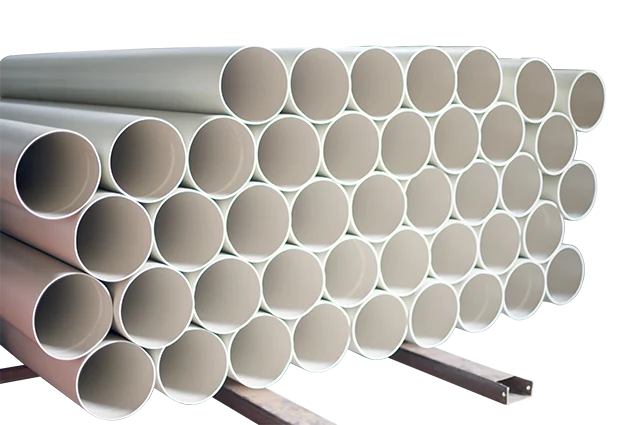
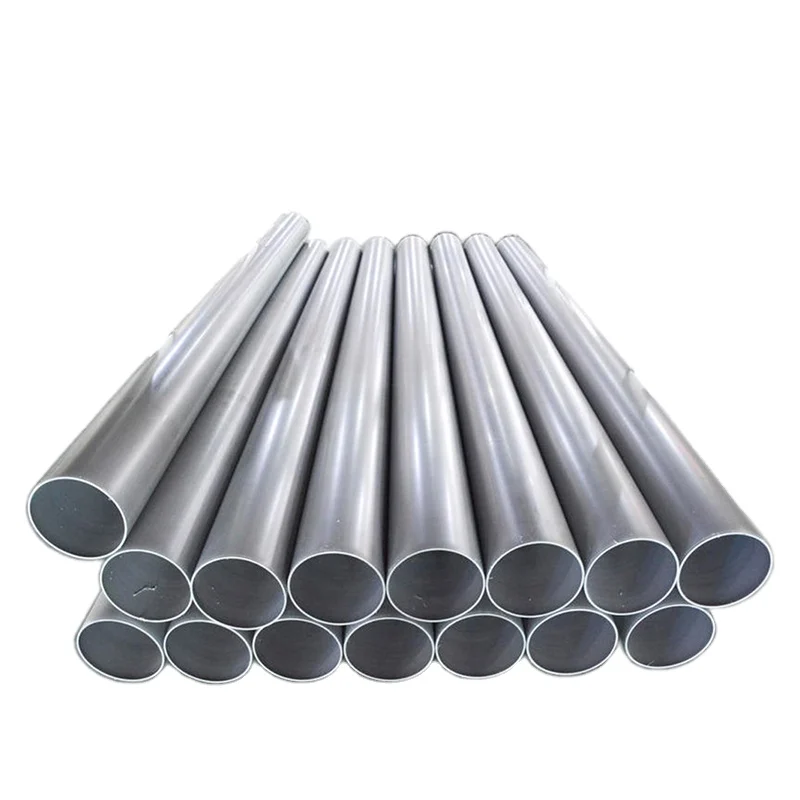
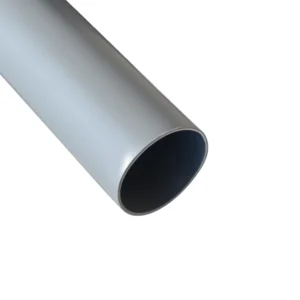
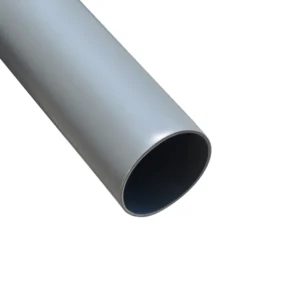
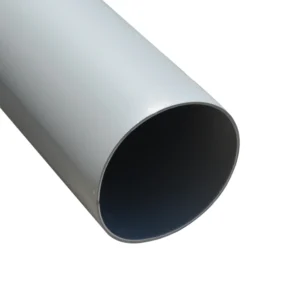
PP duct is manufactured from polypropylene, a thermoplastic known for its high chemical resistance, excellent toughness, and long service life. It performs well in environments exposed to acids, alkalis, and corrosive gases, making it a preferred choice for industrial ventilation.
PVC duct, made from polyvinyl chloride, also offers good corrosion resistance and is widely used in ventilation and piping systems. However, PVC is generally more rigid and may have lower impact resistance and temperature tolerance than polypropylene under certain operating conditions.
Why Choose an Industrial PP Duct?
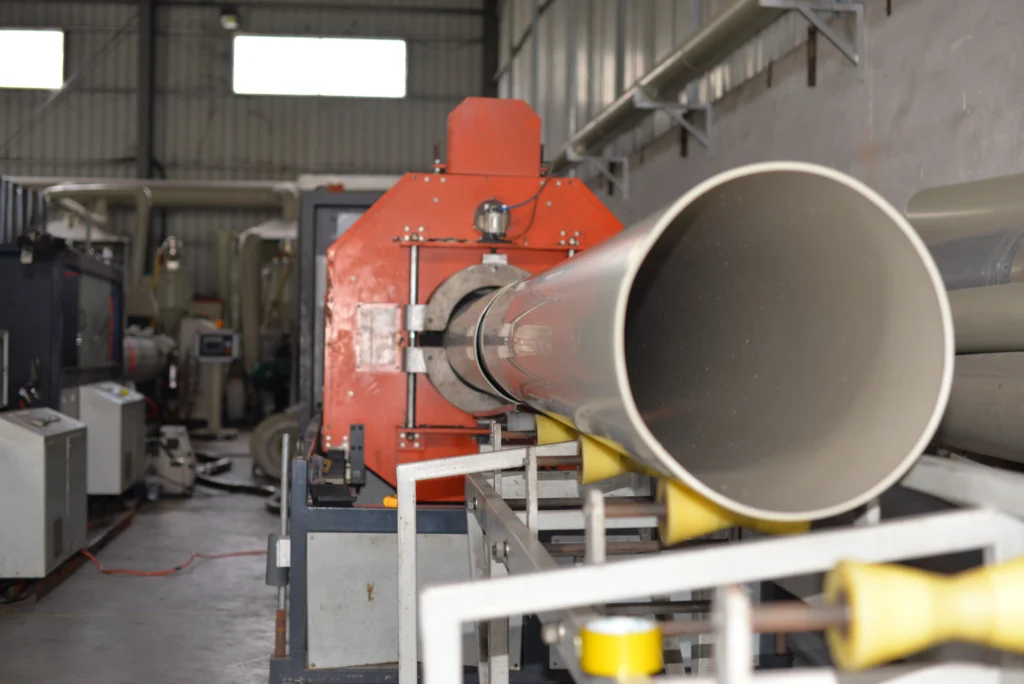
An industrial PP duct is specifically engineered for factories and facilities that require reliable air transport in harsh conditions. Compared with PVC, polypropylene provides better flexibility, improved resistance to chemical attack, and greater durability when exposed to continuous industrial use.
Key advantages of industrial PP ducts include:
- Excellent resistance to acids and alkalis
- Lightweight construction for easier installation
- Smooth interior surfaces that improve airflow efficiency
- Long service life with low maintenance costs
- High impact strength and reliable performance
These characteristics make industrial PP ducts ideal for chemical processing, pharmaceutical production, laboratories, electroplating plants, and wastewater treatment facilities.
Comparing PP Duct and PVC Duct
| Feature | PP Duct | PVC Duct |
|---|---|---|
| Chemical Resistance | Excellent | Very Good |
| Impact Strength | High | Moderate |
| Weight | Lightweight | Lightweight |
| Corrosion Resistance | Excellent | Excellent |
| Temperature Performance | Better for higher operating temperatures | Suitable for moderate temperatures |
| Typical Applications | Industrial ventilation, chemical exhaust | General ventilation and piping systems |
Applications in Industrial Ventilation
Both PP and PVC ducts are used in ventilation systems, but industrial PP duct solutions are often selected for environments with aggressive chemicals or demanding operating conditions. Their ability to resist corrosion while maintaining structural stability helps reduce downtime and maintenance expenses.
PVC ducts remain a practical option for many general-purpose ventilation projects where operating conditions are less severe and budget considerations are a priority.
Polypropylene duct size specifications
| Size(outer size) | Thickness | Unit | Length | Function |
| φ20mm | 2.8mm | piece | 4 meters | For ventilation &drainage |
| φ25mm | 2.8mm | piece | 4 meters | |
| φ32mm | 3.5mm | piece | 4 meters | |
| φ40mm | 4mm | piece | 4 meters | |
| φ50mm | 4mm | piece | 4 meters | |
| φ63mm | 4.5mm | piece | 4 meters | |
| φ75mm | 5mm | piece | 4 meters | |
| φ90mm | 5mm | piece | 4 meters | |
| φ110mm | 3mm | piece | 3 meters | For ventilation |
| φ160mm | 3mm | piece | 3 meters | |
| φ200mm | 3.3mm | piece | 3 meters | |
| φ250mm | 4mm | piece | 3 meters | |
| φ315mm | 4.2mm | piece | 3 meters | |
| φ355mm | 4.2mm | piece | 3 meters | |
| φ400mm | 4.5mm | piece | 3 meters | |
| φ450mm | 4.8mm | piece | 3 meters | |
| φ500mm | 5.5mm | piece | 3 meters |
Contact Our Engineering Team Today:
 Visit Us: No.34 Zhenxing Road (Shengtaian Heavy Industrial Park B), Loucun, Guangming New Dist, Shenzhen, Guangdong, China
 Direct Line: +86 18028775826
 Email: xichengepltd@gmail.com
Shenzhen Xicheng — Precision Engineering for a Cleaner Future.

Reviews
There are no reviews yet.