
Applications
Waste Gas Treatment Applications
Six exhaust streams, six different chemistries. A capture hood sized for plastic moulding fumes will not hold the rim of a plating tank, and a scrubber chosen for hydrogen sulphide will not strip toluene. Each application below starts from the pollutant and works back to capture velocity, duct material and scrubbing chemistry.
- Injection moulding & extrusion
- Spray booths & coating lines
- Refuse transfer stations
- Electroplating & pickling
- Chemical & pharmaceutical plants
One Plant, Six Very Different Exhaust Streams
Most factories do not have one waste gas problem. They have several, running in different buildings on different shifts: a moulding shop, a paint line, a plating tank, a waste transfer area. Treating all of them with one generic unit is the most common reason a system passes on paper and fails at the stack.
We size each application separately, then look for where streams can safely be combined. Where they cannot — cyanide exhaust meeting acid exhaust, for example — the design keeps them apart from the drawing board onward.
- Where the gas comes fromProcess chemistry decides pollutant species and concentration far more than plant size does.
- How it is capturedHood geometry and capture velocity at the source, before any treatment stage.
- What it must meetLocal discharge limits, stack height and monitoring requirements, fixed before equipment selection.
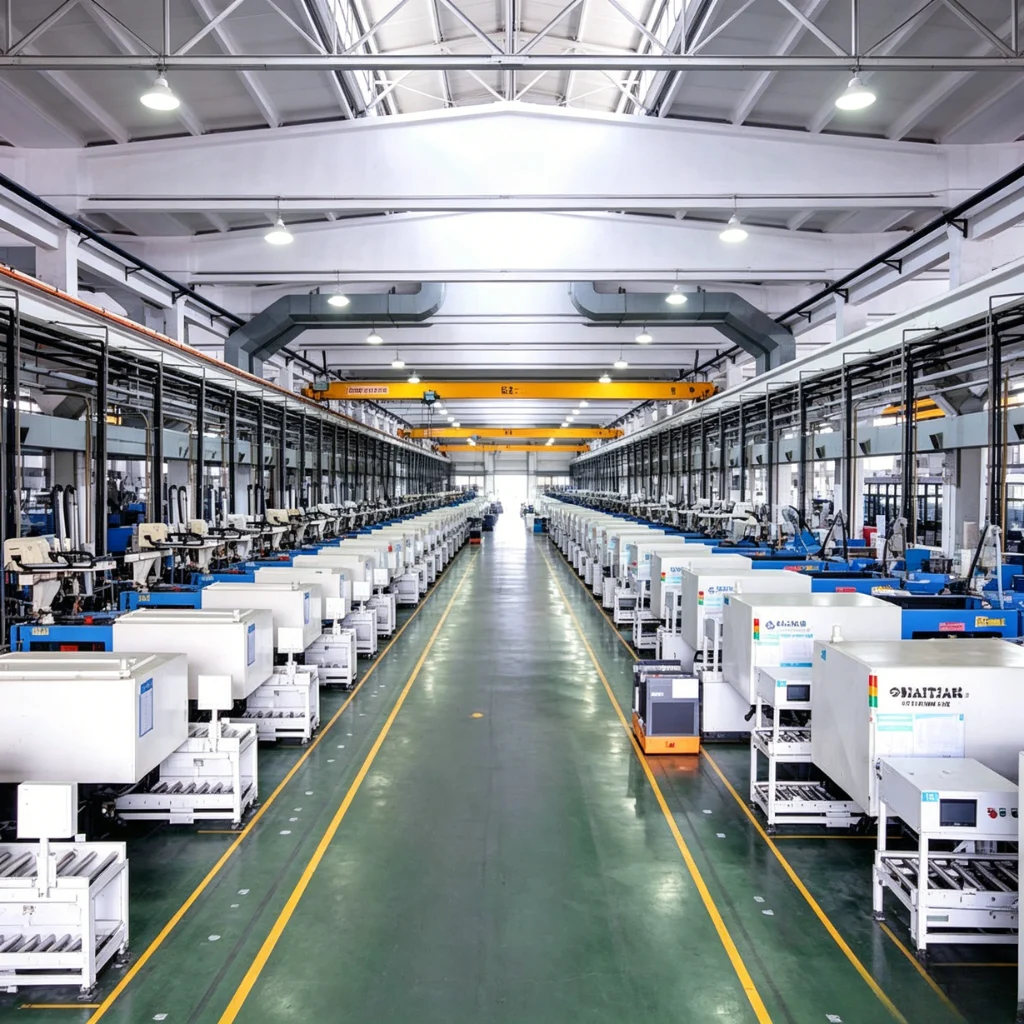
Plastic Waste Gas Treatment
Moulding, extrusion and calendering release non-methane total hydrocarbons with a heavy aromatic fraction. The exhaust is odorous, and both composition and flow rate shift with resin grade, colour change and purge cycles — which is why a fixed-speed fan and a single-pass scrubber often under-perform here.
Typical pollutants: non-methane total hydrocarbons · benzene, toluene, ethylbenzene, xylene, styrene · acetone, methyl ethyl ketone, ethyl acetate
Read the plastic waste gas treatment guide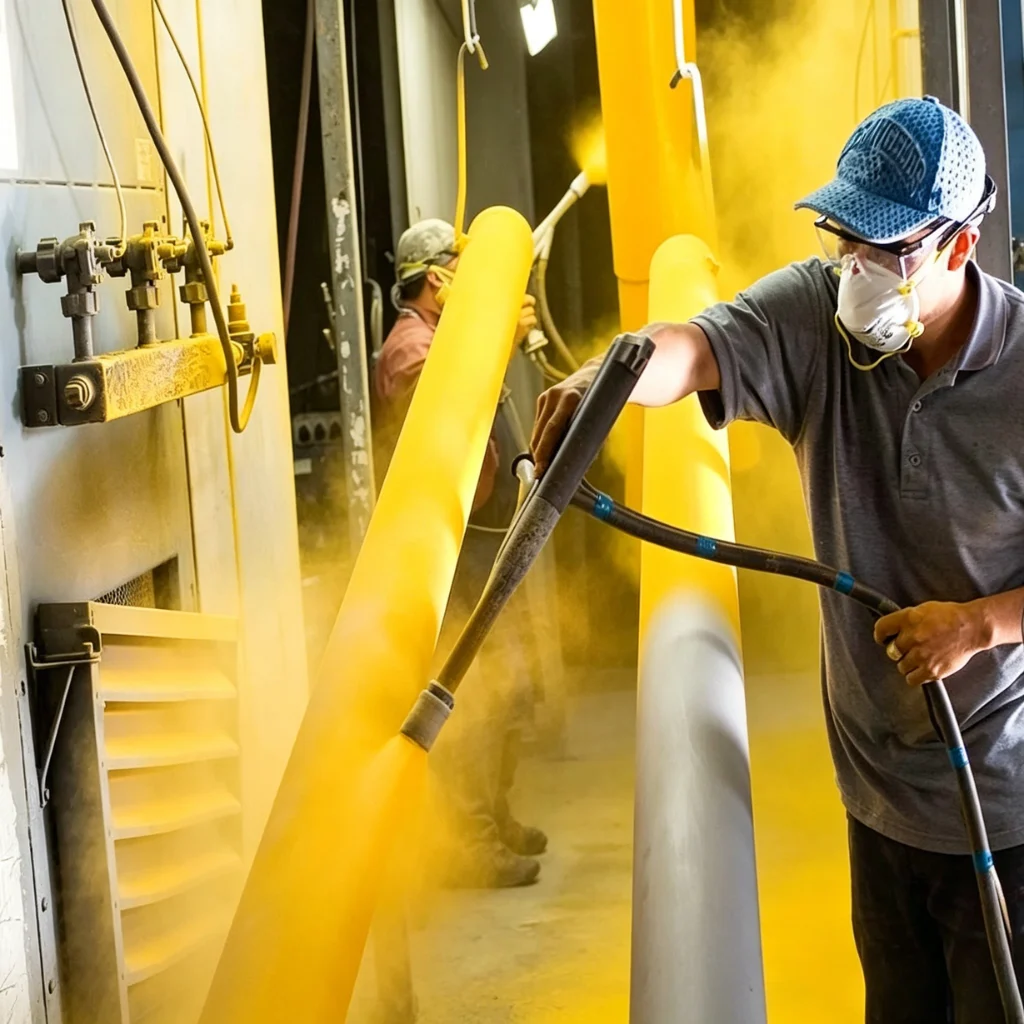
Paint Waste Gas Treatment
Coating lines produce two problems at once: paint mist that fouls ductwork and fans, and solvent vapour that has to be destroyed or adsorbed. Pre-treatment, spraying and curing each contribute their own load, and the balance between them changes with coating type and transfer efficiency.
Typical pollutants: overspray paint mist · toluene, xylene and other aromatic solvents · esters such as butyl acetate · ketones
Read the paint waste gas treatment guide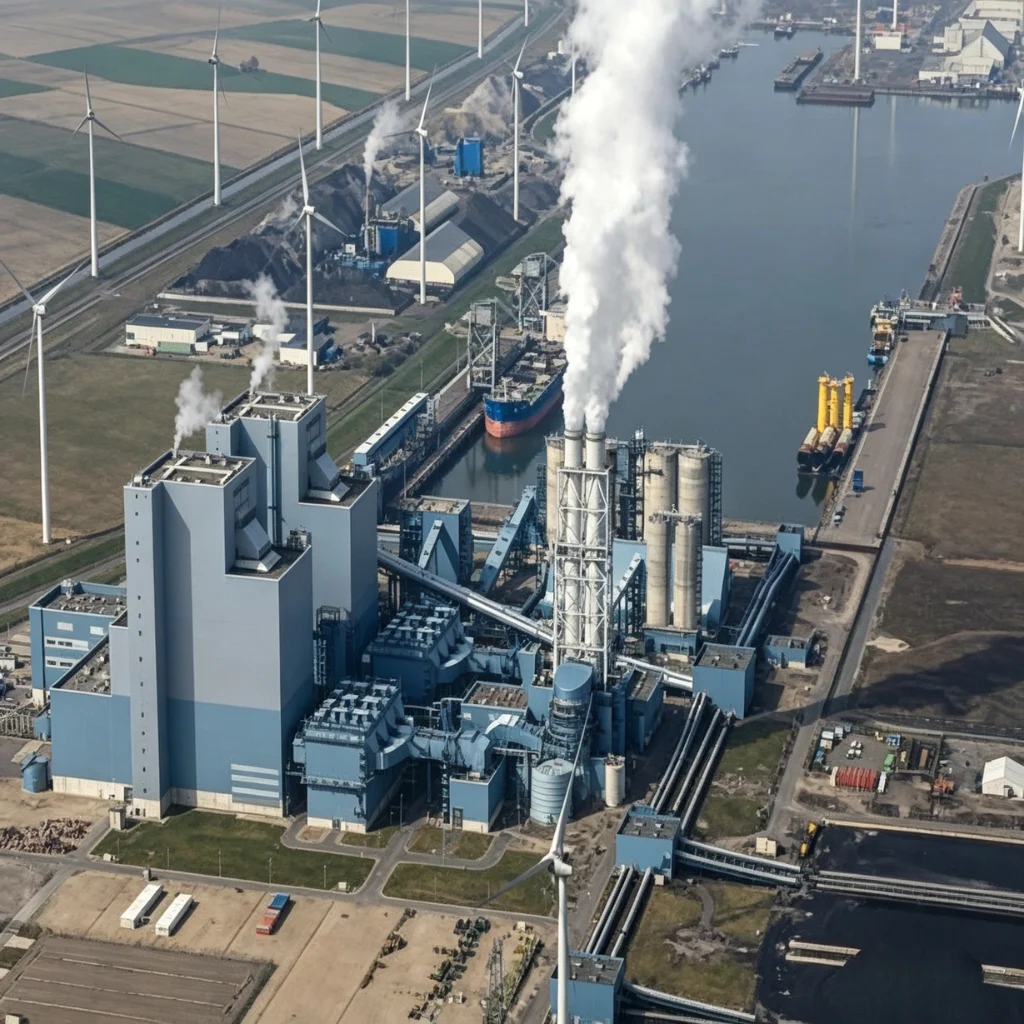
Garbage Station Odour Control
Odour at a transfer station or collection point comes from organic matter fermenting. Household refuse is largely organic and holds enough moisture for aerobic and anaerobic breakdown to run continuously; in hot weather the reaction accelerates and so does the complaint rate. Odour control here is about enclosure and air change rate as much as about the scrubber.
Typical pollutants: ammonia · hydrogen sulphide · organic amines · organic sulphur compounds · volatile fatty acids
Read the garbage station odour control guide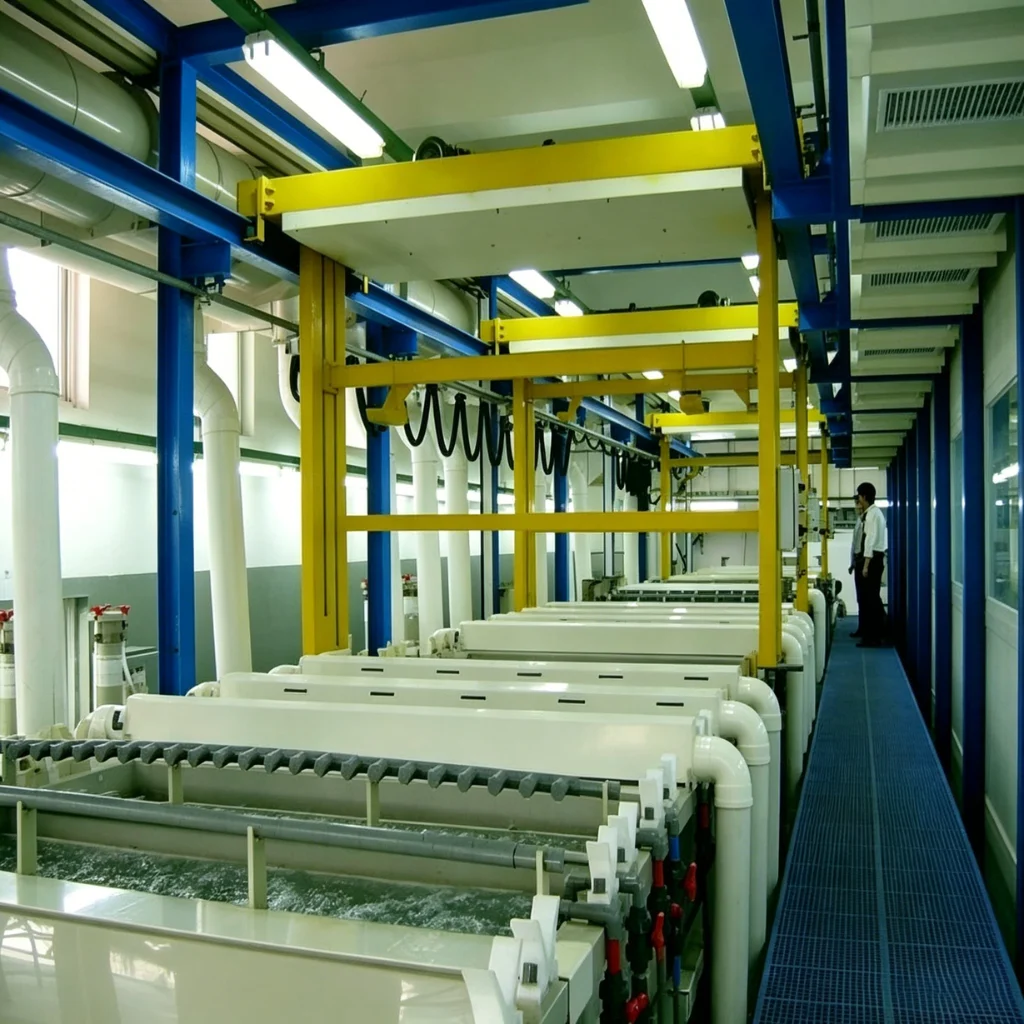
Electroplating Waste Gas Treatment
A plating shop does not produce one waste gas. It produces four or five chemically incompatible streams — hydrochloric acid mist, chromic acid mist, sulphuric acid mist, hydrogen cyanide and, where nitric acid is used, nitrogen oxides. Each needs its own scrubbing chemistry, and segregation has to be settled before anything is sized: acid contacting cyanide-bearing exhaust releases hydrogen cyanide gas.
Typical pollutants: hydrochloric acid mist · chromic acid mist · sulphuric acid mist · hydrogen cyanide · nitrogen oxides
Read the electroplating waste gas treatment guide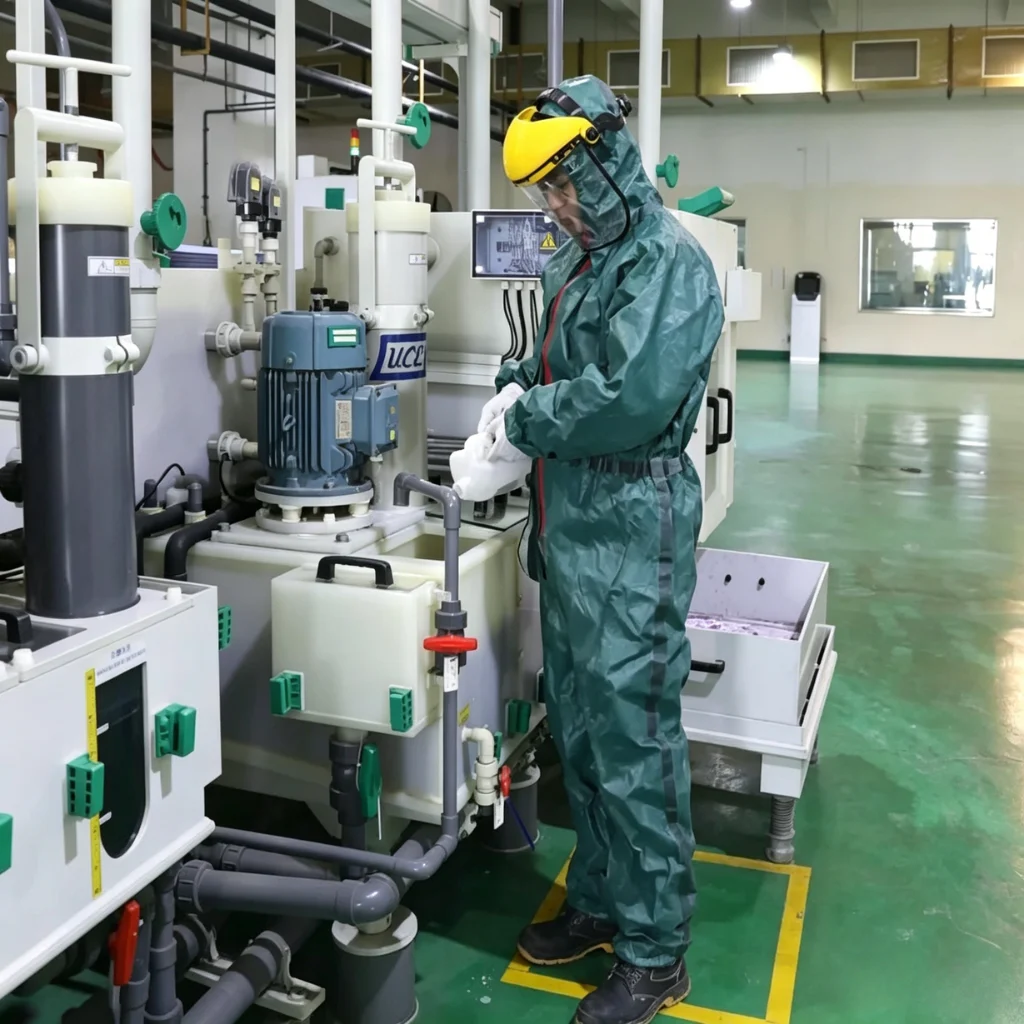
Acid Mist Waste Gas Treatment
When acidic gases such as hydrogen chloride, sulphuric acid or nitric acid vapour cool below their dew point they condense into fine droplets. Unlike dry acid gas, mist settles on duct surfaces, accelerates corrosion, produces visible plumes at the stack and is a direct inhalation hazard at the tank lip. Wet scrubbing, mist elimination or wet electrostatic precipitation each suit a different droplet size range.
Typical pollutants: hydrogen chloride mist · sulphuric acid mist · nitric acid mist · condensed acid droplets in the sub-micron range
Read the acid mist waste gas treatment guide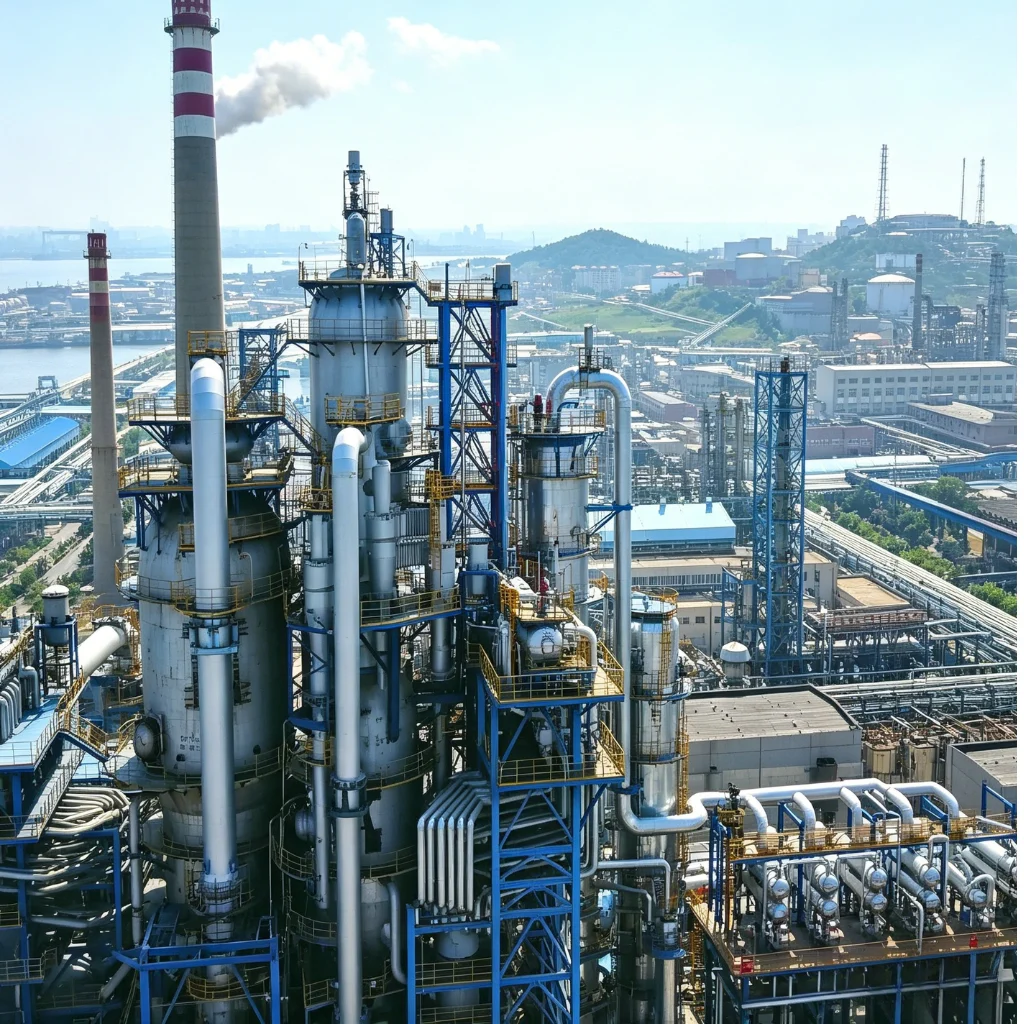
Chemical Waste Gas Treatment
Chemical plants rarely have a single dominant pollutant. Exhaust can carry acid gases, volatile organic compounds, toxic vapours and particulate matter at the same time, in concentrations and flow rates that vary with the batch. That is why chemical exhaust is usually handled by a train of technologies rather than one unit — a scrubber ahead of an oxidiser or a carbon adsorber, sequenced around the chemistry.
Typical pollutants: acid gases · volatile organic compounds · toxic vapours · fine particulate matter
Read the chemical waste gas treatment guideBuilt In-House, Not Assembled From A Catalogue
Scrubber bodies, ductwork, tanks, hoods and stacks are fabricated from PP, PVC and FRP in our own workshop, which means the equipment that leaves the drawing board is the equipment that gets installed. Test reports and compliance certificates for the materials and the finished units are published in full.
Production Environment
Sheet welding, forming, machining and assembly in our own plant — the capacity behind every delivery schedule we quote.
See the production environmentCertifications
Quality and environmental management system certificates, plus material test reports and compliance certificates for air valves, scrubbers and blowers.
See the certificationsTell Us The Process, The Pollutant And The Limit
Send us the process description, the exhaust volume if you have it, and the discharge standard you have to meet. We will come back with a capture layout and a treatment route, not a catalogue number.
Contact our engineers