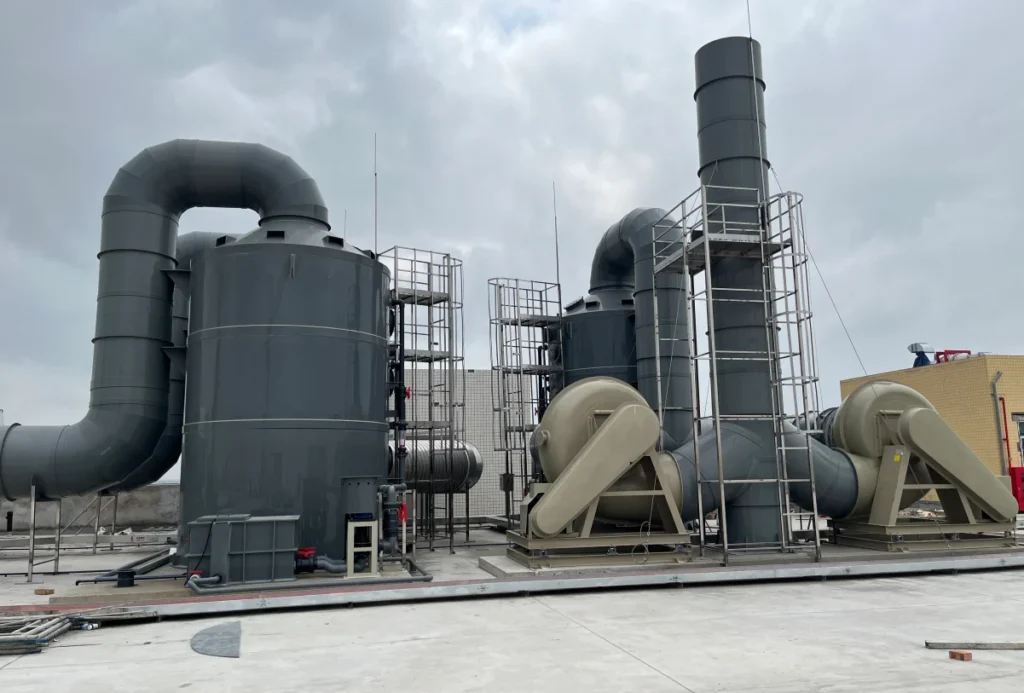
The polypropylene sheet uses span the chemical, environmental, and fabrication industries, and the sheet is the material that makes corrosion-resistant ductwork, storage tanks, scrubbers, tank linings, and signage possible. The polypropylene sheet combines chemical resistance, weldability, and a low density, and each application selects the sheet type and the thickness against its own duty. This guide is the application reference: the industrial uses by industry, the sheet type and thickness for each use, and the selection checklist. It is part of the PP sheet guide series, and it connects the material properties to the applications that fabricators build.
Key Takeaways
- The polypropylene sheet uses span the chemical ductwork, the storage tanks, the scrubbers, the tank linings, the signage, the packaging, the machine guards, and the food, electrical, and outdoor applications.
- The application sets the sheet type and the thickness: a solid sheet at 3-6 mm for the ductwork, 6-15 mm for the tanks, 5-8 mm for the scrubbers, and a corrugated sheet at 2-4 mm for the signage and the packaging.
- The chemical and process industry is the largest user, with the polypropylene sheet for the chemical tanks and the ductwork built from the welded solid sheet that resists the acids and the alkalis.
- The corrugated sheet serves the fluted signs and the reusable packaging, where the stiffness-to-weight ratio and the printability carry the design, and the corrugated sheet is light, waterproof, and reusable.
- The food grade, the UV grade, and the surface finish are the specific requirements that set the grade: the food-grade sheet for the food contact, the black UV sheet for the outdoor service, and the smooth surface for the lining.
- The selection matches the sheet type, the thickness, and the grade to the application and the fabrication: a solid sheet at the structural thickness for a welded duct or tank, and a corrugated sheet at the light thickness for a folded sign or a reusable package.
- The polypropylene sheet is the material behind the corrosion-resistant equipment that the chemical and the environmental industries rely on, and the fabricated ductwork, tanks, and scrubbers are the applications that make the sheet the standard industrial plastic.
What Is Polypropylene Sheet Used For?
The answer to what is polypropylene sheet used for is the corrosion-resistant equipment and the fabricated parts across the chemical, environmental, and manufacturing industries. The polypropylene sheet applications are set by the sheet’s three properties: the chemical resistance that protects the tanks and the ductwork, the weldability that builds the equipment from flat panels, and the low density that makes the fabrication light and economical. The pp sheet uses are the widest of any industrial plastic sheet, and the table below maps the main applications to the sheet type and the thickness.
The Application Overview
The main polypropylene sheet uses fall into six groups. The chemical and process industry uses the sheet for the ductwork, the storage tanks, the scrubbers, and the laboratory fume hoods. The water and environmental industry uses it for the odor-control scrubbers, the tank covers, and the wet benches. The signage and packaging industry uses the corrugated sheet for the signs and the reusable containers. The food and medical industry uses the food-grade sheet for the cutting boards, the trays, the medical device components, and the orthotic braces. The electrical and mechanical industry uses it for the machine parts, the cable assembly fixtures, and the valve and seal components. And the outdoor and protection industry uses it for the floor protection and the weather covers. The application list matches what the leading plastic suppliers document, and each group selects the sheet type and the thickness against its duty. The polypropylene sheet pillar covers the material that all the applications use.
The application properties that the suppliers document confirm the material. The sheet has a low moisture absorption that holds the dimension in the wet service, a high gloss surface that resists the bacteria build-up, and the autoclavable and the food-grade options that serve the medical and the food duty. The continuous service temperature reaches about 82 degC, and the sheet welds reliably by the hot air and the extrusion methods. These are the properties that the application guide relies on, and the suppliers’ data and the material standard agree. The pp sheet uses that are documented across the industry are the uses that this guide covers, and the property data is the basis for the selection.
| Application | Sheet type | Typical thickness |
|---|---|---|
| Chemical ductwork | Solid | 3-6 mm |
| Storage tanks | Solid | 6-15 mm |
| Scrubbers | Solid | 5-8 mm |
| Tank linings | Solid | 1-3 mm |
| Signage | Corrugated | 3-4 mm |
| Packaging | Corrugated | 2-4 mm |
| Machine guards | Solid | 5-8 mm |
The table gives the application, the sheet type, and the thickness, and the application sections below detail each group. The material properties follow the Engineering Toolbox PP properties reference, and the how polypropylene sheet is made guide covers the production.
The application overview also includes the role of the sheet in the Xicheng product line. The same polypropylene sheet that this guide covers is the material that the Xicheng scrubbers, ductwork, and tanks are fabricated from, and the product range is the commercial expression of the applications. A facility that needs a scrubber or a duct can source the fabricated equipment or the raw sheet, and the application guide covers the uses that both serve. The sheet is the raw material, and the fabricated equipment is the application, and the Xicheng range spans both.
The sheet type selection is the first decision in the application. The solid sheet carries the structural and the chemical duty, and the corrugated sheet carries the light and the display duty. The table above maps the main applications, and the detailed sections give the engineering. A buyer who identifies the application and the sheet type narrows the selection to the thickness and the grade, and the pp sheet uses guide is the reference that connects the application to the material. The application is the first input, and the sheet follows it.
Chemical and Process Industry Uses
The chemical and process industry is the largest user of polypropylene sheet uses, because the sheet is the standard material for the corrosion-resistant equipment that carries the acids and the alkalis.
Polypropylene Sheet for Ductwork
The polypropylene sheet for ductwork is the standard corrosion-resistant exhaust duct, fabricated from welded solid sheet. A chemical plant, a plating shop, and a laboratory all exhaust the acid and the alkaline fumes that would corrode a metal duct, and the polypropylene duct carries them to the scrubber or the atmosphere. The duct is built from 3-6 mm solid sheet, cut and welded into the rectangular or round sections, and the weld seals the fume inside the duct. The Xicheng PP ductwork is fabricated from the same sheet, and the duct service is the largest single use of the medium-thickness solid sheet.
Polypropylene Sheet for Chemical Tanks
The polypropylene sheet for chemical tanks is the standard material for the storage and the process tanks that hold the corrosive liquids. A tank fabricated from welded 6-15 mm solid sheet holds the acid, the alkali, or the process chemical that would corrode a metal vessel, and the polypropylene wall resists the chemical and the hydrostatic load. The tank is built from the sheet panels, welded at the seams, and fitted with the flanges and the fittings that the service needs. The tank wall thickness is set by the tank height and the stored liquid, and the thickness guide covers the selection. The storage tank is the second-largest chemical use of the sheet.
Tank Linings and Scrubbers
The polypropylene sheet also serves the tank linings and the scrubbers. A 1-3 mm sheet lines a steel or a concrete tank, isolating the substrate from the chemical and extending the tank life. A 5-8 mm sheet fabricates a scrubber body, a fume hood, or a spray tower panel, where the equipment removes the acid gas from the exhaust. The lining uses the thin sheet because the substrate carries the load, and the scrubber uses the medium sheet because the equipment spans a section. The tank lining and the scrubber together complete the chemical and process uses, and they are the equipment that the sheet makes possible.
The chemical ductwork also includes the fittings and the accessories. A duct system needs the elbows, the tees, the reducers, and the dampers that route the fume, and the Xicheng PP ductwork range includes the fittings that the duct sections need. The duct system is designed with the pressure drop and the flow in mind, and the sheet and the fittings are matched to the system. A polypropylene sheet uses project that plans the duct system as a whole receives the complete ductwork, and the fitting range is the support that the duct sections need.
The ductwork and the tanks are also built to the local code and the pressure rating. A duct that carries a fume is built with the wall thickness that the span and the pressure require, and a tank that holds a liquid is built to the pressure vessel or the atmospheric rating. The fabrication follows the design that the engineer specifies, and the polypropylene sheet uses in the chemical industry are built to the standard. The sheet is the material, and the fabrication is the engineered equipment that the code requires.
The process industry also uses the sheet for the fume hoods and the scrubber internals. A laboratory or a plating shop uses a polypropylene fume hood to capture the process vapor, and a scrubber uses the sheet for the body, the mist eliminator, and the internal components. The hood and the scrubber internals are fabricated from the 5-8 mm sheet that resists the acid and the solvent, and the equipment is the engineered application of the sheet. The fume hood and the scrubber internals complete the chemical and process uses, and they are the fabricated equipment that the sheet makes practical.
Water and Environmental Uses
The water and environmental industry uses the polypropylene sheet uses for the odor control and the corrosion-resistant covers, and the sheet is the material that keeps the treatment plants and the process facilities inside their emission and containment requirements.
Odor-Control Scrubbers
The wastewater treatment plant uses a polypropylene scrubber to remove the hydrogen sulfide and the odors from the headworks air. The scrubber is fabricated from 5-8 mm solid sheet, with a packed bed or a spray section that contacts the odorous air with the scrubbing liquid. The polypropylene resists the sulfide-laden liquid and the corrosive air, and the welded sheet builds the scrubber that the plant exhausts through. The odor-control scrubber is the environmental counterpart of the chemical scrubber, and it serves the wastewater and the food processing plants where the odor is the compliance issue.
Tank Covers and Troughs
The plant also uses the polypropylene sheet for the tank covers and the troughs. A cover over a process tank contains the vapor and the odor, and a trough carries the corrosive liquid between the process steps. The cover and the trough are fabricated from the 3-6 mm solid sheet, welded to the size that the tank requires. The polypropylene resists the chemical and the weather, and the fabricated cover and trough last for the service life. The water and environmental uses are the quiet workhorses of the sheet, and the polypropylene sheet uses in the treatment plants protect the community and the process.
The laboratory and the semiconductor industry also uses the sheet for the wet benches and the fume hoods. A wet bench is a work surface that handles the acid and the process chemical in the lab and the fab, and a polypropylene sheet fabricates the bench top, the sink, and the exhaust hood that contain the chemical. The 5-8 mm sheet resists the acid and the solvent that the bench handles, and it is the material that the semiconductor and the laboratory wet process use. The wet bench and the fume hood are the verified uses that the plastic suppliers document, and the polypropylene sheet uses in the cleanroom and the lab include the wet processing equipment.
The water and environmental uses also include the spill containment. A polypropylene sheet fabricates a spill tray or a containment liner under a process, and the sheet contains the leaked chemical and protects the floor and the ground. The containment liner is 2-3 mm, bonded to the containment basin, and it holds the spill until it is cleaned. The spill containment is the safety use of the sheet, and the polypropylene sheet uses in the environmental industry include the containment that protects the site.
The environmental uses also include the chemical dosing and the storage. A polypropylene sheet fabricates a dosing tank or a chemical storage vessel for the water treatment, and the sheet resists the hypochlorite, the acid, and the polymer that the plant doses. The 5-8 mm sheet holds the dosing chemical, and the polypropylene sheet uses in the water treatment include the chemical handling. The dosing and the storage are the chemical uses of the sheet in the environmental industry.
Signage, Packaging, and Display Uses
The signage and packaging industry uses the corrugated sheet, and the pp corrugated sheet uses are the lightweight applications where the stiffness-to-weight ratio matters.
Fluted Polypropylene Sheet for Signs
The fluted polypropylene sheet for signs is the standard sign board, fabricated from the corrugated sheet with the hollow fluted core. The sign maker cuts the 3-4 mm corrugated sheet to the sign size, prints the graphics on the smooth facing, and mounts the sign on the frame. The corrugated sheet is light, waterproof, and printable, and it resists the weather that a cardboard sign cannot. The fluted sheet is used for the real-estate signs, the construction signs, the yard signs, and the temporary displays, and the corrugated polypropylene sheet guide covers the material in detail.
Pp Corrugated Sheet Uses in Packaging
The pp corrugated sheet uses in packaging are the reusable containers and the protective boxes. A corrugated polypropylene sheet is cut, folded, and assembled into a tote, a box, or a divider that replaces the cardboard, and it survives the reuse that destroys the paper. The packaging sheet is 2-4 mm, light enough to handle and stiff enough to protect the contents, and it resists the moisture and the chemical that a paper package cannot. The reusable packaging is the fast-growing corrugated use, and it is the polypropylene sheet uses that the logistics and the automotive suppliers adopt for the returnable containers.
The packaging uses also cover the protective sheets and the dividers. A corrugated polypropylene sheet is used as a separator between the products in a crate, and a sheet is wrapped around a part to protect it in transit. The protective sheet is cut to the part size and reused across the shipments, and it replaces the single-use paper that is discarded. The protective and the divider uses are the everyday corrugated applications, and they consume a large volume of the corrugated sheet. The pp corrugated sheet uses span the signs, the boxes, and the protective sheets.
The display uses also cover the point-of-sale and the exhibition stands. A corrugated polypropylene sheet is printed and cut into a display, a shelf talker, or a stand that the retail and the exhibition use. The sheet is light, waterproof, and quick to fabricate, and it is the material for the short-life display that the printed board cannot survive. The fluted polypropylene sheet for signs and the displays together serve the marketing and the retail, and the corrugated sheet is the versatile display material.
The corrugated sheet also serves the temporary protection in the construction and the renovation. A corrugated polypropylene sheet protects a floor, a window, or a doorway during the work, and it is laid, taped, and removed after the job. The protective sheet is light, reusable, and cheap, and it is the material that the trades use for the temporary cover. The pp corrugated sheet uses in the construction include the floor and the surface protection, and the corrugated sheet is the disposable or the reusable cover.
Food, Electrical, and Outdoor Uses
The polypropylene sheet uses extend to the food, the electrical, and the outdoor industries, and each use adds a specific requirement to the sheet selection.
Food-Grade Applications
A polypropylene sheet food grade serves the food and the medical processing. The food-grade sheet is safe for the food contact, because the polypropylene is an FDA-compliant material that also meets the USDA and the NSF standards, and it is used for the cutting boards, the process trays, the bins, and the wash-down resistant panels. The food-grade sheet resists the moisture, the food acid, and the cleaning chemical, and it is specified with the food-grade grade and the surface that the process needs. The medical and the orthotic industry also uses the sheet for the medical device components and the orthotic braces, because the autoclavable and the non-toxic properties suit the medical duty. The food and the medical uses select the polypropylene sheet uses for the hygiene and the wash-down duty, and the material follows the ASTM D4101 standard for the food-contact grade.
Electrical Insulation and Machine Guards
The electrical and the mechanical industry uses the polypropylene sheet for the insulation, the machine parts, and the fixtures. A 5-8 mm solid sheet fabricates a machine guard that shields the operator and resists the process heat, and a cable assembly fixture holds the wiring during the assembly. The polypropylene is non-conductive, lightweight, and corrosion-resistant, and it serves the cable trays, the bus bar covers, the valve and seal components, and the control panel backs. The cable assembly fixture and the valve components are the verified uses that the plastic suppliers document, and the polypropylene sheet uses in the electrical and the mechanical industry include the fixtures and the machine parts. The electrical and the guard uses select the stiffer homopolymer sheet, and the high density guide covers the grade.
Outdoor and Protection Uses
The outdoor and the protection uses rely on the weather and the UV grade. A black polypropylene sheet with the UV stabilizer serves the outdoor covers, the weather panels, and the floor protection that the construction and the renovation use. The polypropylene sheet outdoor use requires the UV grade, because the standard sheet degrades in the sunlight, and the black UV sheet resists the weather for the outdoor life. The floor protection sheet shields the finished floor during the construction, and the weather panel protects the equipment from the elements. The outdoor and the protection uses complete the polypropylene sheet uses, and the black and the colored sheet guide covers the outdoor grades.
The outdoor uses also include the greenhouse and the agricultural panels. A polypropylene sheet is used for the greenhouse glazing and the agricultural covers, because the sheet resists the moisture and the chemical fertilizers that the glass and the film cannot. The UV grade is specified for the greenhouse, and the sheet transmits the light that the crop needs while it protects the structure. The agricultural use is a growing application of the polypropylene sheet uses, and the UV sheet serves the outdoor agriculture and the horticulture.
The outdoor uses also include the cooling tower and the scrubber drift. A polypropylene sheet is used for the cooling tower fills and the drift eliminators, where the sheet resists the water, the chemical, and the biological growth. The 1-2 mm sheet forms the fills that transfer the heat, and the polypropylene sheet uses in the cooling tower are the heat-transfer applications. The cooling tower fill is a large-volume use of the sheet, and the polypropylene resists the treated water that the tower circulates.
Selecting the Right PP Sheet for the Use
The polypropylene sheet uses selection matches the sheet type, the thickness, and the grade to the application, and the four inputs are checked before the order.
Selection Checklist
The first input is the application, which sets the sheet type from the application table: a solid sheet for the structural duty and a corrugated sheet for the light duty. The second input is the chemical and the temperature, which sets the material grade and the chemical-resistance check. The third input is the load and the span, which sets the thickness against the deflection, and the PP sheet thickness guide covers the selection. The fourth input is the specific requirement, such as the food grade, the UV grade, or the surface finish, which adds the grade or the surface to the specification. The polypropylene sheet uses that is selected against the four inputs fits the application.
Supplier and Grade
The supplier confirms the sheet type, the grade, and the property data. A manufacturer supplies the homopolymer or the copolymer grade with the food, the UV, or the flame-retardant specification, and a distributor may stock only the standard grade. The selection also covers the surface finish and the cut size, because a lining needs the smooth surface and a project needs the cut panels. The polypropylene sheet uses selection closes with the supplier confirmation and the property data, and the delivered sheet is checked against the specification.
For a sheet for your application, browse the PP sheet product range or contact our engineering team with the application, the chemical, and the size, and receive a polypropylene sheet matched to the use.
The selection also considers the fabrication and the installation. A sheet that is welded into a duct or a tank needs the thickness that holds the weld, and a sheet that is folded or fastened into a sign or a panel needs the type that bends. The fabrication method sets the sheet type and the minimum thickness, and the polypropylene sheet uses selection balances the application against the fabrication. A welded fabrication uses the solid sheet at the structural thickness, and a folded fabrication uses the corrugated sheet at the light thickness. The fabrication plan is part of the selection.
The supplier also supplies the technical support for the application. A manufacturer that understands the chemical ductwork, the tanks, and the scrubbers provides the engineering recommendation for the sheet grade and the thickness, and the support closes the gap between the material and the application. The polypropylene sheet uses that are supported by the manufacturer’s engineering are selected correctly, and the technical support is the value that the manufacturer adds beyond the sheet. A buyer who partners with the engineering-capable supplier receives the right sheet for the use.
The selection also covers the total cost of the use. The sheet cost is the material, the fabrication, and the freight, and a polypropylene sheet uses project that selects the correct thickness and grade minimizes the total. A sheet that is too thin fails and costs more in the replacement, and a sheet that is too thick wastes the material. The application that is selected against the load, the chemical, and the fabrication is the low-cost use, and the supplier that supports the selection delivers the economical sheet.
FAQ
What is polypropylene sheet used for?
The polypropylene sheet uses are the corrosion-resistant equipment and the fabricated parts: chemical ductwork, storage tanks, scrubbers, tank linings, signage, packaging, machine guards, and the food, electrical, and outdoor applications. The sheet combines chemical resistance, weldability, and a low density.
Can polypropylene sheet be used outdoors?
Yes, with the UV grade. Standard polypropylene degrades in the sunlight, and a black polypropylene sheet with the UV stabilizer resists the weather for the outdoor life. The UV grade is specified for the outdoor covers, the weather panels, and the floor protection.
Is polypropylene sheet good for chemical tanks?
Yes. A polypropylene sheet for chemical tanks is fabricated from welded 6-15 mm solid sheet, and it holds the acid, the alkali, or the process chemical that would corrode a metal vessel. The wall thickness is set by the tank height and the stored liquid.
Is polypropylene sheet food safe?
A food-grade polypropylene sheet is safe for the food contact, because polypropylene is an FDA-compliant material. The food-grade sheet is used for the cutting boards, the process trays, and the wash-down panels, and the grade must be specified as food-grade.
What is fluted polypropylene sheet used for?
The fluted polypropylene sheet is used for the signs and the displays, because it is light, waterproof, and printable. It is the standard sign board for the real-estate, construction, and yard signs, and the corrugated sheet also serves the reusable packaging.
Can polypropylene sheet be welded into ductwork?
Yes. A polypropylene sheet for ductwork is fabricated from welded 3-6 mm solid sheet, and it carries the acid and the alkaline fumes that would corrode a metal duct. The weld seals the fume inside the duct, and the Xicheng PP ductwork is built from the same sheet.
What thickness polypropylene sheet do I need for a scrubber?
A scrubber body uses 5-8 mm solid sheet, sized for the span and the load of the equipment. A fume hood or a spray tower panel uses the same range, and the thickness is set against the section that the equipment spans.
Can polypropylene sheet be used for water tanks?
Yes. A polypropylene sheet fabricates a water or a process tank, and the sheet resists the water and the corrosion. The 6-15 mm sheet holds the water tank, and the polypropylene is a common material for the water and the chemical storage.
Is polypropylene sheet reusable for packaging?
Yes. A corrugated polypropylene sheet is cut, folded, and assembled into a reusable tote or box, and it survives the reuse that destroys the paper packaging. The corrugated sheet is light, waterproof, and reusable across the shipments.
Is polypropylene sheet good for machine guards?
Yes. A 5-8 mm polypropylene sheet fabricates a machine guard that shields the operator and resists the process heat. The sheet is non-conductive, lightweight, and corrosion-resistant, and it is used for the guards, the cable trays, and the control panel backs.
Can polypropylene sheet be recycled?
Yes. The polypropylene sheet and its offcut are recyclable, and the manufacturer recycles the edge trim back into the feed. The polypropylene is a recyclable thermoplastic, and the waste from the fabrication is recovered.