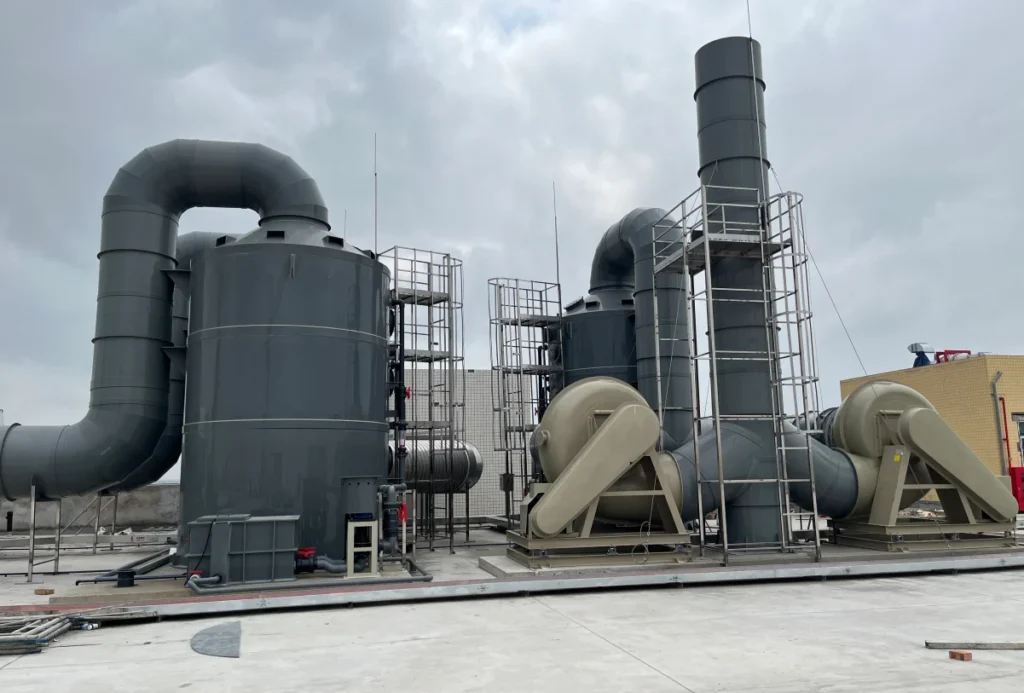
You need a clear sheet that survives chemical exposure, fits a real budget, and fabricates without cracking. Acrylic and polycarbonate dominate most search results for clear sheet, yet both fail the moment aggressive chemicals appear: acrylic crazes and cracks under solvent or acid mist, and polycarbonate costs two to three times as much. A transparent polypropylene sheet sits in the gap that most buyers never consider, because it combines contact clarity, the widest chemical resistance of the common clear plastics, and the lowest price per square meter.
This guide covers the optical performance you can actually expect from clear polypropylene sheet, the resin grades that produce it, and how it compares with acrylic and polycarbonate. It then walks through the applications that suit a clear PP sheet, its UV limits, and a fabrication and selection checklist you can apply to inspection windows, machine guards, and food packaging. For the full family of materials, start with the polypropylene sheet guide.
Key Takeaways
- Clarity is a grade decision. A clarified random-copolymer grade reaches 85 to 90 percent transmission in thin gauges; natural homopolymer PP reads milky. Specify the grade, or you will receive whatever resin the supplier had on hand.
- Chemical resistance is the reason to choose it. Polypropylene rates excellent against caustic soda and dilute acids where acrylic crazes, but it fails against concentrated oxidizing acids and aromatic solvents, so check the chemical, concentration, and temperature of the service.
- Compare on data, not habit. Clear PP is the lightest (0.90 g/cm³) and cheapest of the three clear sheets, acrylic is the clearest at about 92 percent transmission and the most scratch-resistant, and polycarbonate absorbs the most impact.
- UV is the outdoor limit. Unmodified clear PP yellows and embrittles in sunlight. Use a UV-stabilized clear grade for partial exposure, and switch to UV-stabilized black polypropylene for permanent outdoor duty.
- Weld it, don’t glue it. Transparent PP hot-air welds into PP tanks, scrubbers, and ductwork as a molecular joint with no glue or fastener, which is why the transparent grade is specified for chemical equipment windows.
What Is Transparent Polypropylene Sheet?
A transparent polypropylene sheet is a flat thermoplastic panel extruded from polypropylene resin to a controlled thickness, surface finish, and optical clarity. Polypropylene is a semi-crystalline polyolefin with a density of 0.90 g/cm³, the lightest of the common engineering sheet plastics, so a clear PP sheet weighs about 0.90 kg per square meter per millimeter of thickness. The material is weldable, recyclable, and resists a broad range of chemicals at ambient temperature, a combination that places it in industrial windows, guards, and process equipment rather than in decorative glazing.
How Clarity Is Achieved: Homopolymer vs Clarified Random Copolymer
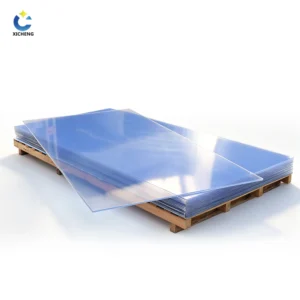
Clarity starts with the resin grade, not the extrusion line. Standard homopolymer polypropylene is translucent rather than clear, because the crystalline spherulites that form during cooling scatter light and raise haze. Suppliers raise clarity two ways: they use a random copolymer, which disrupts crystallinity with co-monomer units, or they add a sorbitol-based clarifying agent that shrinks the crystal structure below the wavelength of visible light.
Clarified random-copolymer PP is the grade behind most optical sheet, and in thin gauges it reaches visible-light transmission in the mid-to-high 80 percent range. Homopolymer PP reads as natural milky white, which is why the clear polypropylene sheet sold for windows and guards is almost always a clarified grade. The grade decision also changes temperature performance: homopolymer holds a slightly higher heat deflection temperature, so a high-temperature chemical window will trade some clarity for the stiffer homopolymer backbone. How the resin is converted also matters, and the extrusion process is covered in the how polypropylene sheet is made guide.
Cast vs Extruded Clear PP Sheet
Cast sheet is formed by casting molten polymer onto a polished roll and cooling it slowly, which produces the finest surface finish and the lowest internal stress. Extruded sheet is pulled through a die and a set of cooling rolls, which is faster, cheaper, and covers the 2 mm to 30 mm range used in most industrial fabrication. For a transparent polypropylene sheet that will be welded into tanks or cut into machine guards, extruded optical-grade sheet is the normal choice, because it welds cleanly and holds dimensional tolerance across large panels.
How Transparent Is Polypropylene? Optical Properties
Optical clarity is measured by two numbers. Total light transmission is the share of visible light that passes through the sheet, and haze is the share of transmitted light scattered more than 2.5 degrees off axis, which is what makes a sheet look cloudy instead of clear. A clear polypropylene sheet in a thin gauge transmits roughly 85 to 90 percent of visible light when a clarified grade is used, while the same resin in natural homopolymer form reads as milky and transmits far less. These two figures are the specification you need when you buy a sight window or a sensor cover.
Light Transmission and Haze Values
Published values depend on the grade and the gauge, so compare on the same basis. A standard unfilled polypropylene film measures about 14 percent haze at 0.016 to 0.045 inch, according to Grafix Plastics’ published sheet data, which is why “clear” film still looks slightly hazy next to acrylic. Clarified grades push haze lower, toward the low single digits in thin gauges, at the cost of a slightly softer thermal profile. The table below gives typical optical ranges so you can set realistic expectations before you order.
| Grade and thickness | Visible transmission | Typical haze | Typical use |
|---|---|---|---|
| Clarified PP film (0.3–0.5 mm) | ≈ 90% | < 5% | Packaging windows, heat-seal films |
| Clarified PP sheet (1–5 mm) | 85–90% | 6–12% | Sight windows, machine guards, displays |
| Homopolymer PP, natural | 55–75% | 15% and higher | Structural panels, chemical duty |
| Frosted or matte clear PP | 40–60% | High | Light diffusers, privacy panels |
Contact Clarity vs Bulk Clarity: the Thickness Trade-off
Polypropylene’s clarity behaves differently from acrylic’s, and the difference shows up as the sheet gets thicker. Acrylic keeps its 90 percent-plus transmission from 1 mm to 25 mm, because the polymer is amorphous and its optical properties do not degrade with thickness. Polypropylene is semi-crystalline, so each millimeter of material adds light scattering, and a 15 mm transparent polypropylene sheet will read noticeably hazier than a 2 mm one. Plan the window geometry before you pick thickness: if you need a 20 mm wall for pressure, expect a translucent rather than a glass-clear view, and if you need true visibility, keep the transparent panel thin and back it with a structural frame.
Surface Finishes: Clear, Translucent, Frosted, Matte
Surface finish is a separate spec from resin grade, and it changes both look and function. A glossy, high-polish finish gives the best transmission and is the default for sight windows; a translucent or frosted surface scatters light and is chosen for diffusers and for hiding internal surfaces; a matte finish reduces glare for displays and for surfaces that must resist fingerprints. Transparent PP sheet is stocked in all four, and fabricators should specify the finish explicitly, because the polished face is the one that must stay protected with the PE masking film until after cutting and welding.
Key Properties of Transparent PP Sheet
A transparent polypropylene sheet keeps the mechanical and chemical profile of the base polymer, so the optical grade is not a separate weak material. The property set that matters for specification is density, stiffness, chemical resistance, and temperature ceiling, and each has a published anchor you can verify. The values below are typical for homopolymer and clarified grades, and a responsible supplier will provide batch test data for the specific grade you buy.
Mechanical Strength and Stiffness
Polypropylene is a mid-modulus sheet material: its density is 0.90 g/cm³, its tensile strength is roughly 27 MPa for a standard homopolymer, and its Young’s modulus is about 1.3 GPa, with elongation at break in the 200 to 700 percent range, per the Engineering ToolBox polymer property tables. In practice the sheet flexes rather than shatters, which is why it survives the vibration and impact that would crack acrylic. A clarified optical grade trades a little stiffness for clarity, so confirm the yield strength against the load: Xicheng’s transparent PP sheet is specified at a tensile yield of at least 26 MPa tested to ISO 527.
Chemical and Corrosion Resistance
The chemical resistance is the reason transparent PP sheet is specified inside chemical plants at all. Polypropylene resists dilute and many concentrated acids, alkalis, and salts at ambient temperature, and the Engineering ToolBox PP chemical resistance tables rate it excellent (no attack) for caustic soda, 10 percent sulfuric acid, 10 percent hydrochloric acid, and acetic acid up to 75 percent at 20 °C. The exceptions are concentrated oxidizing acids and aromatic and chlorinated hydrocarbons: 93 percent sulfuric acid drops to acceptable or unacceptable, 65 percent nitric acid is unacceptable, and methyl ethyl ketone, toluene, and benzene all attack the polymer. For continuous chemical duty in a wet scrubber or tank, Xicheng specifies the transparent sheet for service up to 60 °C, and every application should be checked against the specific chemical, concentration, and temperature of the service.
Temperature Range and Heat Deflection
Polypropylene has a melting point near 160 °C, but its usable service range is much lower because stiffness falls off as temperature rises. Thin-gauge film shows a heat deflection temperature near 79 °C at 0.46 MPa, and the practical ceiling for continuous loaded service is roughly 90 to 100 °C. That positions clear PP above acrylic, which softens around 70 °C, and below polycarbonate, which holds load to about 120 °C. A transparent polypropylene sheet in a hot process stream will sag, so keep the window and the frame within the documented temperature limit of the grade.
Food-Grade Compliance (FDA / RoHS)
Polypropylene is an FDA-compliant food-contact polymer when the formulation uses approved additives. The governing rule for olefin polymers in the United States is 21 CFR 177.1520, which lists the permitted polypropylene copolymers and the conditions under which they may contact food. A food-grade clear PP sheet should be sold with that compliance stated, and it should be kept free of non-approved slip agents and colorants. The sheet is also RoHS compliant in the clear grades used for packaging and medical equipment, which matters for export to the EU and for components that will be shipped with electronics.
Clear Polypropylene Sheet vs Acrylic vs Polycarbonate
The selection between clear polypropylene, acrylic, and polycarbonate is a trade of clarity and stiffness against chemical resistance and cost. Acrylic is the clearest and scratch-resistant, polycarbonate is the toughest and most expensive, and clear PP wins where chemicals, welding, and price matter more than absolute optical purity. The table below compares the three on the properties that actually drive a sheet specification.
Side-by-Side Material Comparison
| Property | Clear polypropylene | Acrylic | Polycarbonate |
|---|---|---|---|
| Density (g/cm³) | 0.90 | 1.19 | 1.20 |
| Tensile strength (MPa) | ≈ 27–35 | ≈ 74 | ≈ 60–70 |
| Young’s modulus (GPa) | 1.3 | 3.0 | ≈ 2.3–2.4 |
| Visible transmission (thin sheet) | 85–90% | ≈ 92% | 88–90% |
| Impact resistance | Good | Poor (brittle) | Excellent |
| Chemical resistance | Excellent | Poor under solvents | Moderate, stress-cracks |
| Max continuous service | ≈ 90–100 °C | ≈ 65–70 °C | ≈ 115–120 °C |
| UV resistance (unmodified) | Poor | Good | Good with coating |
| Weldable | Yes, hot-air weld | No | No |
| Relative cost | Lowest | Mid | Highest |
Where Clear PP Wins — and Where It Doesn’t
Clear polypropylene sheet wins in three situations. First, chemical environments: it is the only one of the three that keeps its clarity and its strength against acid mist, caustic, and solvent splash, which is why wet scrubbers, chemical tanks, and fume hoods use transparent PP windows instead of acrylic. Second, fabrication: polypropylene welds with a hot-air or extrusion welder, so a clear window fuses into a welded PP tank as a single material, where acrylic must be mechanically fastened or solvent-cemented. Third, cost and weight: at a density of 0.90 g/cm³ it weighs about 25 percent less than acrylic or polycarbonate, and it is the least expensive of the three at equal thickness.
The trade-offs are real, and you should not oversell them. Acrylic is visibly clearer, roughly 92 percent transmission against the high 80s for PP, and it is far more scratch-resistant, which matters for display glazing and signage that must stay optically clean. Polycarbonate absorbs impact that would crack either PP or acrylic, so it stays the default for safety glazing and high-impact guards. A clear PP sheet is also not glass-clear at thick gauges, and unmodified grades will chalk and yellow outdoors. The selection rule: if the service is chemical, wet, or welded, use transparent PP; if it is cosmetic glazing with a clean environment, use acrylic; if it must survive impact, use polycarbonate.
Applications of Transparent Polypropylene Sheet
A clear polypropylene sheet earns its place wherever you need to see inside equipment that acrylic cannot survive. The same material that builds welded tanks and scrubbers provides the inspection window, the sight glass, and the guard, so the transparent panel and the structure around it expand and contract together and weld into one assembly. The applications below cover the sectors that specify transparent PP sheet most often.
Machine Guards and Inspection Windows
The highest-value use is a visual window inside chemical process equipment. Wet scrubbers, storage tanks, fume hoods, and duct systems need to be inspected without opening the containment, and a transparent PP window welds directly into the PP structure while exposing the interior to nothing but the same acid-resistant polymer. Xicheng supplies optical-grade transparent PP sheet specifically for these windows, in thicknesses from 2 mm to 30 mm and panels up to 2000 by 6000 mm, so the window can match the wall thickness of the vessel. The PP sheet transparent product line is documented with tensile yield at or above 26 MPa (ISO 527) and a glossy surface finish that stays clean in inspection service.
Food Packaging Windows and Retail Display
Food-grade clear PP sheet is a standard packaging material because it is approved for food contact, resists oils and moisture, and heat-seals without distortion. Packaging designers use transparent PP windows in boxes, binders, and food trays, where the low haze of a clarified grade keeps the product visible while the polymer resists the grease that stains other clear films. The same clarity and printability make it a retail choice for display boxes and point-of-sale cases, where the slightly softer surface finish is acceptable because the application is clean and dry.
Lab, Pharmaceutical, and Semiconductor Wet Benches
Laboratory fume hoods and wet benches expose clear panels to acid fumes that acrylic cannot withstand. Transparent PP sashes and splash guards keep the view while the material resists the reagents, and the polymer’s low extractables suit pharmaceutical and analytical lab work. Semiconductor wet processing adds an optical constraint: automated systems shoot light through protective covers for sensor tracking, so the sheet must be free of internal gels and black specks that would scatter the beam. A clarified optical grade specified for that duty avoids the sensor faults that a cloudy or contaminated panel would cause.
Signage and Light Diffusers
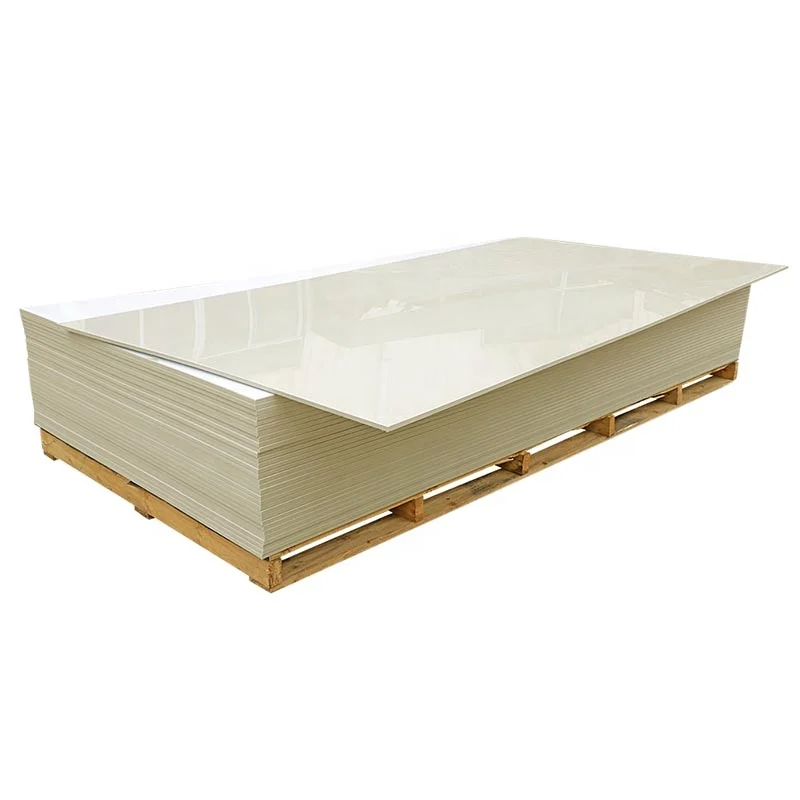
Clear and frosted PP sheet cover the middle of the signage range between rigid corrugated board and glass glazing. The glossy grade fronts signs and point-of-purchase displays that need a protected printed face, and the frosted and matte grades diffuse LED light for illuminated signs and light boxes without the yellowing that PVC diffusers develop over time. Outdoor signage should use the UV-stabilized grade, because an unmodified clear PP sheet will degrade in direct sunlight, which is covered in the next section.
UV Resistance: What Clear Polypropylene Sheet Can and Cannot Do
The direct answer to the common question is no: an unmodified transparent polypropylene sheet is not UV resistant, and it will fail outdoors. Polypropylene absorbs ultraviolet radiation in the 290 to 400 nanometer range, and that absorption drives chain scission that embrittles the polymer, chalking the surface and turning a clear sheet yellow within a season or two of full sun. UV performance is a grade decision, not a material property, so the specification must state the exposure and the stabilizer package rather than assume the sheet is outdoor-stable.
How UV Degrades Unmodified Clear PP
UV degradation shows up in three stages. First the surface yellows and loses transmission, which defeats the purpose of a clear sheet. Then the surface chalks, a white powdery layer that reflects light and hides the sheet’s clarity. Finally the polymer becomes brittle, and a panel that flexed without damage will crack under wind load or thermal movement. The rate depends on intensity and thickness: a thin film in tropical sun can fail in months, while a thick panel in a shaded location may last years, but the trend is always toward embrittlement, not a stable plateau.
UV-Stabilized and Surface-Treated Options
Manufacturers protect transparent PP sheet with hindered amine light stabilizers (HALS) and UV absorbers added to the resin, and a properly formulated UV-stabilized clear grade extends service life for outdoor and indoor-sunlit use. The trade-off is that stabilizers are loaded by weight, and a clear grade carries less than the carbon black that shields a black sheet, so the clear grade still has a finite outdoor life and should be specified with the expected exposure. For long-term outdoor service where color does not matter, a UV-stabilized black polypropylene sheet is the stronger choice, because carbon black is the most effective UV shield a polymer can carry, and it is covered in the black polypropylene sheet guide. A surface UV coating is a third option, but coatings abrade in wiping service, so resin-stabilized sheet is usually the more reliable specification for industrial panels.
Fabricating Transparent Polypropylene Sheet
Transparent polypropylene sheet fabricates with the same processes as structural PP, with two rules added: protect the optical faces, and control heat. The sheet ships with PE masking film on both sides for a reason, because a scratch on a clear window is permanent. Leave the masking on through cutting and routing, and remove it only after welding and finishing. Heat is the second control, because polypropylene has a narrow window between formable and melted, and a clear panel shows every overheated mark.
Cutting and Routing
A transparent PP sheet cuts cleanly with a carbide-tipped router or saw running at moderate speed, using sharp tooling and a steady feed to avoid melted, ragged edges. Laser cutting is generally not recommended for polypropylene: the beam melts the polymer instead of vaporizing it, leaving a re-solidified edge that looks frosted and weakens the panel. For drilled holes, back the sheet with a scrap panel and use a slow drill speed to prevent the melt build-up that fogs the surrounding surface. The optical face should stay masked until every machining pass is complete.
Bending and Thermoforming
Polypropylene line-bends with a strip heater at roughly 150 to 160 °C, the range just below its melting point where the material softens enough to form without sagging. A controlled strip heater produces a clean fold line, while a heat gun heats too unevenly and causes localized melting in a thin clear sheet. Because the polymer relaxes after forming, a bent clear panel should be held in the bent position until it cools, or it will spring back. The glossy face stays protected by the masking film during bending, and the film peels off to reveal an unmarred surface.
Welding Transparent PP Sheet
Hot-air welding with a polypropylene filler rod is the standard joining method, and it produces a weld that retains most of the parent material’s strength. The advantage of a transparent PP window is that it welds into a PP tank or scrubber as the same material, so the joint is a molecular fusion rather than a glued or clamped seam that could leak. Weld temperature should be set to the documented range for the grade, because overwelding discolors the clear resin and creates the visible stress lines that spoil an optical panel. For thin film and packaging, ultrasonic welding and heat sealing join clear PP without filler rod.
How to Choose the Right Clear PP Sheet
Choosing a clear polypropylene sheet is a four-line specification: grade, thickness, finish, and compliance. Fill all four before you order, because each line changes the price and the failure mode. A window specified only as “clear sheet” will come back as whatever the cheapest supplier stocked, which is the recipe for a yellowed panel or a welded joint that cracks.
Thickness and Size Selection
Thickness is set by the load, the span, and the chemical duty, not by what looks right. A light sight window in a vertical wall carries little load and works at 2 to 5 mm. A machine guard that must stop splashes and impacts needs 6 to 10 mm, and a tank wall or a heavy fabrication runs 15 to 30 mm, with the trade-off that a thicker transparent sheet reads hazier. Size the panel against the available sheet dimensions as well: industrial clear PP is produced up to 2000 by 6000 mm, so a window that fits within a standard panel avoids the price penalty of custom splits. The PP sheet thickness guide gives the load-based selection for each application.
Grade, Finish, and Certification Checklist
Write the specification down and confirm four points with the supplier. First, the grade: clarified random copolymer for optical clarity, homopolymer for the higher heat deflection, and a UV-stabilized grade for any sunlight. Second, the finish: glossy for maximum transmission, frosted or matte for diffusion and glare control. Third, the compliance: FDA food-contact under 21 CFR 177.1520 for food and packaging, RoHS for EU export, and UL 94 V0 if the equipment needs flame-retardant clear panels. Fourth, the verification: ask for the batch test report showing tensile yield and the optical values you specified, because a datasheet written for a standard grey sheet is not proof that the clear grade you received meets the spec.
FAQ
Is PP sheet transparent?
A polypropylene sheet is transparent when it is made from a clarified random-copolymer grade and specified in a thin gauge, transmitting roughly 85 to 90 percent of visible light. A standard homopolymer PP sheet is translucent or milky rather than clear, because the crystalline structure scatters light. Clarity is a grade and thickness decision, not a fixed property of polypropylene.
Is clear polypropylene UV resistant?
An unmodified clear polypropylene sheet is not UV resistant and will yellow, chalk, and embrittle in prolonged sunlight. A UV-stabilized clear grade extends the service life, but the clear material still carries less UV protection than a carbon-black-filled sheet. For long-term outdoor service, a UV-stabilized black polypropylene sheet is the stronger specification.
What is the difference between clear polypropylene and acrylic?
Acrylic is optically clearer, about 92 percent transmission against the high 80s for clear polypropylene, and it is much more scratch-resistant, which suits display glazing. Clear polypropylene is chemically resistant where acrylic crazes and cracks under solvents and acid mist, and it is weldable into PP structures, lighter, and cheaper. Choose acrylic for clean cosmetic glazing and transparent PP for chemical or welded service.
Can transparent polypropylene sheet be welded?
Yes. Transparent polypropylene welds with a hot-air welder and polypropylene filler rod, and the weld retains most of the parent material strength. A clear PP window welded into a PP tank or scrubber forms a molecular joint with no glue or fastener, which is why the transparent grade is specified for chemical equipment windows.
Is clear PP sheet food safe?
Yes, when the sheet is a food-grade polypropylene with FDA-approved additives, as permitted under 21 CFR 177.1520. The grade must be stated as food-grade, and the sheet must not contain non-approved slip agents or colorants. Food-grade clear PP sheet is used for packaging windows, food trays, and prep surfaces.
Conclusion
A transparent polypropylene sheet is not a substitute for acrylic where absolute optical clarity and scratch resistance matter, and it is not a substitute for polycarbonate where impact survival matters. It is the clear sheet for the service that the other two cannot handle: chemical exposure, welded fabrication, and a budget that will not stretch. Specify the clarified grade, keep the thickness within the clarity you need, choose the UV-stabilized option for any sunlight, and ask for the batch test report before you commit.
When you are ready to specify, review the PP sheet product range for transparent, rigid, and flame-retardant grades, or contact the Xicheng engineering team with your service temperature, chemical duty, and window dimensions for a grade and thickness recommendation.