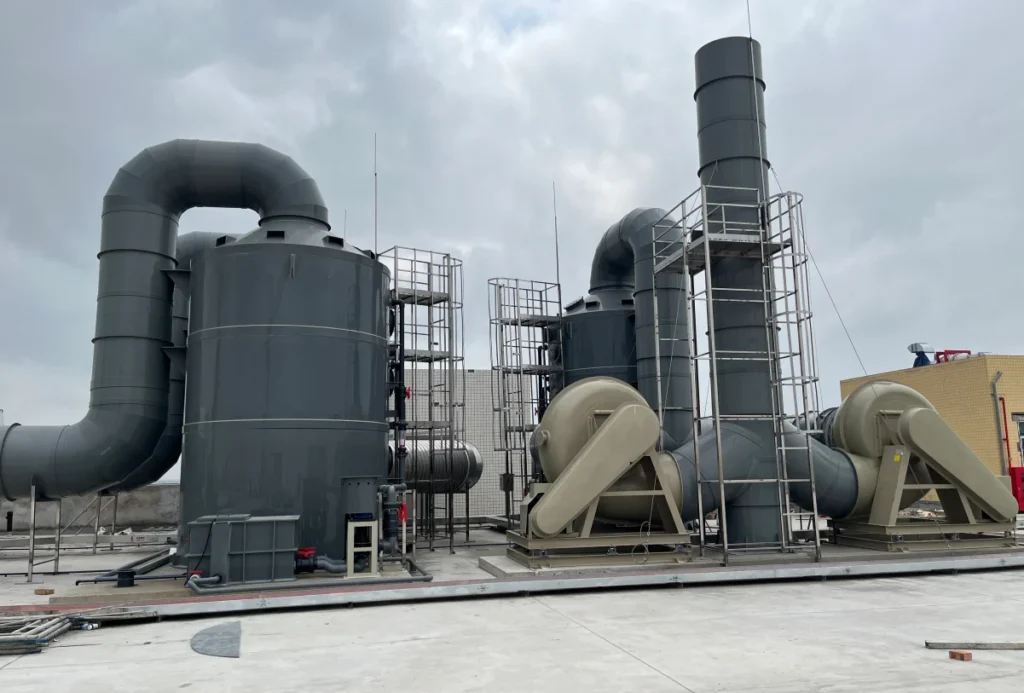
You reach for a saw to cut a polypropylene sheet and get a melted, beaded edge, or you score thick board with a knife and it cracks instead of snapping. Polypropylene is a soft thermoplastic that melts and deforms when the tool runs hot, so the method that works on acrylic or wood leaves polypropylene with a ruined edge. The overlooked variable is that the right tool follows the thickness: a thin sheet scores and snaps, a thick sheet is sawed or routed, and a laser burns instead of cutting.
This guide explains how to cut polypropylene sheet with each method, from a utility knife on thin sheet to a CNC router in production, and it covers why laser cutting struggles with polypropylene and when it can work. It ends with the safety rules and the mistakes that melt or crack the sheet. For the full material range, start with the polypropylene sheet guide.
Key Takeaways
- The tool follows the thickness. Thin sheet under 3 mm scores and snaps with a knife, sheet up to 10 mm cuts with a jigsaw, and thick sheet is sawed or routed, because the soft material melts when the tool is mismatched.
- Sharp carbide blades beat dull wood blades. A table saw or circular saw with a carbide triple-chip blade cuts a clean edge on thick polypropylene, where a general-purpose blade melts and tears it.
- A CNC router is the production method. For repeated parts with holes and profiles, a router holds tolerance and cuts a square edge, and it is the pp sheet cutting machine for fabrication runs.
- Laser cutting does not work on polypropylene. The beam melts and chars the sheet instead of vaporizing it, producing a beaded edge and smoke, and it works only on very thin film with multiple fast passes.
- The mistakes are heat and feed errors. A dull blade, a slow feed, or too high a blade height melts the edge, and scoring thick sheet cracks it, so the fix is the right tool at the right speed.
How to Cut Polypropylene Sheet: Choosing the Method
Learning how to cut polypropylene sheet starts with one rule: the tool follows the thickness. A thin sheet under 3 millimeters scores and snaps cleanly with a knife, a medium sheet up to 10 millimeters is cut with a jigsaw or a saw, and a thick sheet is routed or sawed on a machine that holds the feed steady. The material is soft and melts easily, with a density of about 0.90 g/cm³ and a low modulus that lets the thin sheet flex and the thick sheet deform under heat, per the Engineering ToolBox polymer property tables, and that softness is why the tool must be matched to the thickness. The table below maps the methods to the thickness, so the choice is made before the first cut, and the remaining sections give the technique for each one.
| Method | Thickness | Edge quality | Best for |
|---|---|---|---|
| Utility knife, score and snap | Up to 3 mm | Clean | Straight cuts, no power tools |
| Jigsaw / saber saw | 1–10 mm | Good | Curved cuts |
| Circular saw | 3 mm and up | Good | Straight cuts on site |
| Table saw | 3 mm and up | Best | Straight cuts in the shop |
| Band saw | 3 mm and up | Good | Curves and intricate parts |
| CNC router | Any | Best | Production, repeatable parts |
| Laser | Thin film only | Poor | Not recommended for sheet |
Match the Tool to the Thickness
The thickness sets the tool because it sets how much the material resists and how fast it heats. A 2 millimeter sheet flexes and cuts with a knife, because there is so little material that the score line creates a clean break point. A 10 millimeter sheet does not flex, and it is sawed with a blade that removes the material as chips rather than bending it to a break. The tool must also match the required edge, because a welded fabrication needs a square, clean edge and a decorative panel tolerates a slightly ragged one. The thickness that drives the choice is the same thickness the load demands, and the PP sheet thickness guide gives the load-based thickness for each application, so the cutting method follows from the same number.
Edge Quality and Speed Trade-offs
Every method trades edge quality against speed and cost. A knife gives the cleanest edge on thin sheet but only handles straight lines. A table saw produces the best straight edge on thick sheet and runs fast, but it is a shop machine, not a site tool. A CNC router delivers the best edge and the most repeatable part but costs setup time and machine time, so it earns its place in production. A laser is fast but leaves a melted, charred edge on polypropylene, which is why it drops to the bottom of the table for this material. The selection is made against the part, not the tool in hand: the fastest method that produces the edge the fabrication requires.
Cutting Thin Polypropylene Sheet (Up to 3 mm)
How to cut polypropylene sheet under about 3 millimeters is a hand job, and it is the fastest, cheapest, and cleanest way to work at that thickness. The material is flexible enough to break along a scored line, and it does not need the power of a saw to make a straight cut. Two techniques cover the thin range, and each one answers a different shape: the score-and-snap for straight lines and a jigsaw for curves.
Score and Snap with a Utility Knife
The score-and-snap method is the standard way to cut thin polypropylene sheet, and it needs only a utility knife and a straight edge. Lay the sheet on a flat surface, mark the cut line, and run the knife along the line several times with firm, even pressure to cut a groove into the surface, about a third of the way through the sheet. Move the sheet so the scored line sits just beyond the edge of the table, hold the sheet flat on the table with one hand, and press down sharply on the overhanging piece to break it along the groove. The break follows the score line cleanly, and the resulting edge is square enough for most fabrication without sanding.
The score-and-snap works because polypropylene is ductile rather than brittle, and a thin sheet breaks along the weakened line instead of cracking elsewhere. The method is limited to straight lines and to sheet thin enough to bend over the table edge, which is why it stops at about 3 millimeters. For the technique to work, the knife must be sharp and the score must be deep enough, because a shallow score produces a ragged break and a dull blade melts the groove instead of cutting it. Score twice or three times rather than forcing one deep pass, and the break is clean.
Jigsaw and Saber Saw for Curves
When thin polypropylene sheet needs a curved cut, a jigsaw or saber saw is the tool, fitted with a blade of about 10 teeth per inch made for plastic. The blade design matters because a wood blade tears the soft polypropylene and leaves a chipped edge, while a fine-tooth plastic blade cuts a smooth wall. Support the sheet on a piece of foam or clamp it near the cut line so it does not vibrate, and run the saw at a steady feed without forcing it, letting the blade do the cutting. Drill a starter hole for an interior cut, insert the blade, and cut out from the hole to the line, which avoids starting the blade on the edge where it grabs.
Cutting Thick Polypropylene Sheet (3 mm and Up)
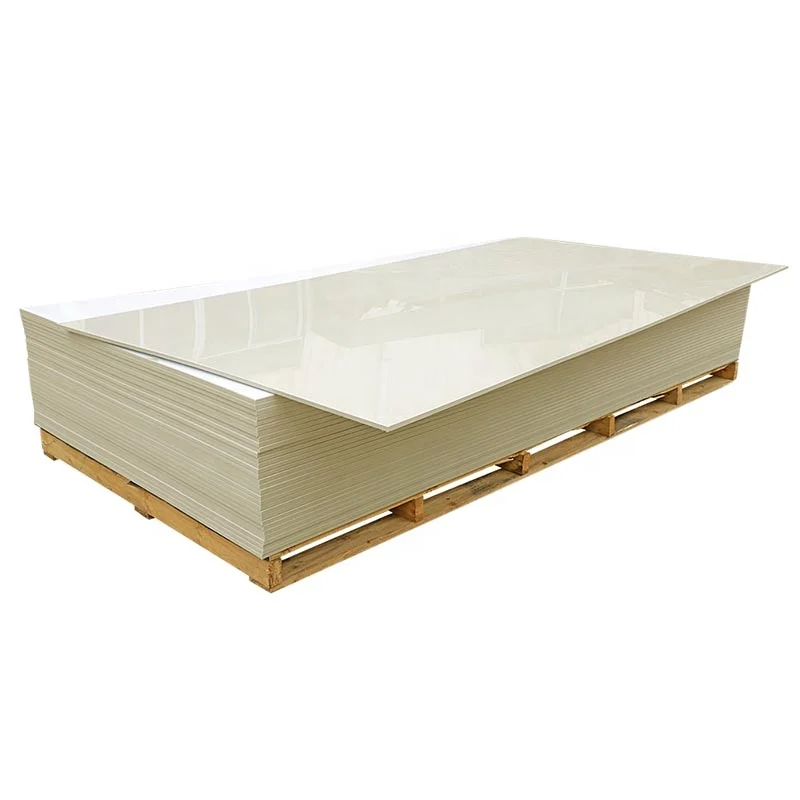
Thick polypropylene sheet does not score and snap, because it will not flex to a break, and the tool must remove the material as chips rather than bend it apart. Learning how to cut polypropylene sheet in the thick range means choosing between the saws that hold the sheet steady and feed the blade at a speed that prevents melting. The table saw is the first choice for straight cuts, the circular saw for site work, and the band saw for curves and intricate parts.
Table Saw and Circular Saw for Straight Cuts
The table saw produces the straightest edge on thick polypropylene sheet, and it is the shop tool for how to cut polypropylene sheet to a clean width. The blade is the key: a carbide-tipped, triple-chip-tooth blade with 60 to 80 teeth on a 10 inch blade cuts the soft polymer cleanly, where a general-purpose blade with fewer teeth tears and melts the edge. Set the blade height to protrude about an eighth to a half inch above the sheet, and feed the sheet at a steady pace, letting the blade speed do the work rather than pushing hard. A circular saw with the same carbide triple-chip blade brings the straight cut to the job site, supported on a straight edge and a foam or saw-horse base, and it cuts thicker sheet where a table saw cannot travel.
Band Saw for Curves and Intricate Parts
The band saw handles the curved and intricate cuts that a straight-blade saw cannot, and it cuts thick polypropylene sheet with a blade about half an inch wide at 14 teeth per inch. The narrow blade turns a tighter radius than a jigsaw on thick material, and the continuous band removes the material steadily. Feed the sheet like wood, at a pace that keeps the blade cutting chips rather than rubbing and melting the polymer, and stop to clear the cut if the edge begins to overheat. A band saw is the right tool when the part has corners, curves, or interior cutouts, and it leaves an edge that is cleaned up afterward with a scraper or a router bit.
CNC Routing: The Production Method
When the job is a run of identical parts, a CNC router is the pp sheet cutting machine to use, and it is how to cut polypropylene sheet at production volume, because it cuts the profile, drills the holes, and repeats the part to a consistent tolerance without the labor of a manual saw. The router holds the polypropylene sheet on a vacuum table and drives a bit along a programmed path, and it is the production standard for fabricated panels, guards, and machined components. The setup differs from routing wood in two ways: the feed must stay high enough to avoid melting, and the bit must be sharp enough to cut the soft polymer cleanly.
Router Setup and Feed
CNC routing of polypropylene sheet uses a single-flute or two-flute carbide bit, sized to the cut, and a spindle speed and feed rate that balance chip removal against heat. Polypropylene melts when the bit dwells, so the feed is set to keep the bit moving and the chips clearing, and a climb-cut direction gives a cleaner edge on the top skin. The sheet is held flat on the vacuum table, and thin sheet is backed with a sacrificial layer so the bit does not push the material and flex it. A dust extraction system removes the chips, which are clean polypropylene that recycle as regrind, and the finished part comes off the table with a smooth, square edge that needs no sanding.
When to Machine Instead of Saw
Routing earns its place over sawing when the part demands it. A part with internal cutouts, precise hole patterns, or a repeatable profile is a routing job, because a saw can only cut from an edge and a template cannot hold the tolerance across a production run. A part that must fit into a welded assembly, or a batch of guards that must be identical, is routed so every piece matches the drawing. Routing is also the choice for thick sheet where the edge must be straight and smooth for welding. The trade is cost: a router costs machine time and setup, so a single straight cut is still a saw cut, and routing is justified by the volume or the accuracy it delivers.
Laser Cutting Polypropylene Sheet: What Works and What Doesn’t
Laser cutting polypropylene sheet is the question every shop asks, because a laser cuts acrylic beautifully and the temptation is to run the same machine on polypropylene. Knowing how to cut polypropylene sheet with a laser matters, because the answer changes the method: polypropylene is one of the plastics listed as poor for laser cutting, and the machine melts and chars the sheet instead of vaporizing it cleanly. The material’s low melting point and the way it absorbs the laser energy are the reasons, and they are worth understanding before a laser table is booked for PP.
Why Laser Struggles with PP
The laser beam heats polypropylene to its melting point faster than the beam can vaporize the polymer, so the material melts and fuses along the cut line instead of separating cleanly. The result is a bead of re-solidified plastic on the edge, a charred and discolored cut face, and smoke that builds up in the machine, and the edge is worse than the one a saw produces in seconds. Xometry’s review of materials that fail in laser cutting lists polypropylene specifically, noting that it tends to melt and fuse during cutting and that the residues overheat and smoke. The failure is fundamental, not a settings problem: unlike acrylic, which vaporizes cleanly, polypropylene softens across a wide temperature band and absorbs the beam as heat, so the cut edge is always a melted edge. The melting and softening behavior is a property of the polymer, documented in the polypropylene sheet properties guide, and it is the same behavior that makes laser cutting the wrong method.
When Laser Makes Sense and the Alternatives
Laser cutting polypropylene sheet works only in a narrow case: very thin film, under about half a millimeter, where so little material is present that the beam cuts through before the melt becomes a problem, and even then only with multiple fast passes and careful settings. A diode laser does not cut clear or light-colored polypropylene at all, because the beam passes through the transparent material instead of being absorbed. For anything thicker than film, the practical alternatives are a sharp blade on a router or a fine-tooth saw, which cut a clean edge without heat, and a waterjet, which cuts thick sheet with a high-pressure stream and no heat-affected zone. If a clean, square edge is the goal, the machine is a router or a saw, and the laser is left to acrylic and to the materials it cuts well.
Advanced Methods: Waterjet and Hot Wire
Two advanced methods cut polypropylene sheet when the standard tools fall short, and both are part of a complete answer to how to cut polypropylene sheet at the edges of the range. A waterjet cuts any thickness with no heat and no melt, and a hot wire cuts thin sheet with a sealed edge, and both are worth knowing for the specific jobs they solve. They sit outside the everyday methods because each needs specialized equipment, but they are the answer when a saw edge or a laser is the wrong tool.
A waterjet directs a high-pressure stream of water, with abrasive added for thick or hard material, through the sheet to cut a precise profile with no heat-affected zone. The jet leaves a clean, square edge with no melting and no char, which makes it the method for thick polypropylene sheet where a saw would melt the edge and a router would take too long on a large profile. Waterjet cutting carries the cost of a machine and a water-and-abrasive system, so it is justified for precise, thick, or complex cuts and for parts where the edge quality must be flawless. The jet also cuts stacked sheets, which a saw cannot do, making it efficient for a batch of identical panels.
A hot wire cuts thin polypropylene sheet and film by melting a narrow path through the material, and it is the tool of choice for foamed and thin sheet where the melt actually helps. The wire is heated to the softening temperature and drawn through the sheet, leaving a clean, sealed edge that does not need finishing, and the method produces no dust and no chips. The trade is that the wire only cuts straight or gently curved lines on thin material, and it leaves a slightly melted edge, so it is used for film, foam, and thin sheet rather than for structural board. A heated knife serves the same edge-sealing purpose for cuts by hand, melting the edge as it slices so the sheet does not fray or peel.
Cutting Safety and Common Mistakes
How to cut polypropylene sheet safely comes down to managing two risks: the airborne particles and fumes from the cut, and the behavior of the soft polymer under the tool. The safety rules are simple, and the mistakes that ruin a cut are avoidable once they are named. Both come down to the same principle as the method selection, which is controlling the heat that polypropylene cannot tolerate.
Safety: Ventilation, PPE, and Feed Control
Wear eye protection on every cut, because a scored line can snap a sliver and a router can throw a chip. Cut in a ventilated area or with dust extraction, because sawing and routing produce polypropylene dust that is fine enough to breathe, and laser cutting produces fumes that must be extracted, not inhaled. Secure the sheet before cutting, with clamps, a vacuum table, or a support board, so the material cannot shift and the cut cannot run off the line. Keep hands clear of the blade and the rotating bit, and feed the tool at a steady pace, because forcing a cut is what binds a blade and melts the polymer. A clean, well-supported, well-fed cut is also the safe one.
Mistakes That Melt or Crack the Sheet
The mistakes that ruin a polypropylene cut are a short list, and each is a heat or a feed error. The most common is melting the edge with a dull blade, a slow feed, or too high a blade height, which turns a clean cut into a beaded, discolored edge, and the fix is a sharp carbide blade fed at full speed. The second is trying to score-and-snap a sheet that is too thick, which cracks the sheet away from the line instead of breaking it, and the fix is to move to a saw at about 3 millimeters. The third is chipping the edge with a coarse or wood-purpose blade, which tears the soft polymer, and the fix is a fine-tooth or triple-chip blade made for plastic.
Each mistake is the same root cause, the tool not matched to the thickness and the heat, and naming it before the cut prevents the scrap. A test cut on a scrap piece before the real part is the cheapest insurance, because it reveals the melting, cracking, or chipping before it costs a full sheet. Adjust the blade, the feed, or the method on the scrap, and the production cut then runs clean the first time.
FAQ
Can you laser cut polypropylene?
Not well. Polypropylene melts and fuses under a laser instead of vaporizing cleanly, leaving a charred, beaded edge and smoke, and it is listed among the materials that fail in laser cutting. A laser works only on very thin polypropylene film with multiple fast passes, and a diode laser does not cut clear or light-colored sheet at all. Use a router or a saw for a clean edge.
What is the best way to cut polypropylene sheet?
The best way to cut polypropylene sheet follows the thickness. Thin sheet under 3 millimeters scores and snaps cleanly with a utility knife. Sheet from about 3 millimeters up is cut with a table saw or circular saw fitted with a carbide triple-chip blade for straight cuts, or a band saw for curves, and a CNC router produces the best edge for production parts. Matching the method to the thickness is the whole technique.
Can you cut polypropylene with a utility knife?
Yes, on thin sheet, and it is how to cut polypropylene sheet up to about 3 millimeters. A sharp utility knife scores a groove across the sheet, and the sheet snaps along the scored line when it is bent over the edge of a table. The score must be cut several times and deep enough, because a shallow score produces a ragged break.
Does polypropylene crack when cut?
It cracks when the wrong method is used. Thick sheet does not flex, so a knife score produces a crack away from the line instead of a clean break, and a dull blade or a slow feed can stress the sheet. Cutting with the right tool for the thickness, a knife on thin sheet and a sharp carbide saw on thick sheet, avoids the cracking.
What machine is used to cut plastic sheets?
A CNC router is the production machine for cutting polypropylene sheet, cutting profiles, holes, and repeated parts to a consistent tolerance. For straight cuts, a table saw or circular saw with a carbide triple-chip blade is the standard, and a band saw cuts curves. A waterjet cuts thick sheet with no heat, and a laser is not recommended for polypropylene.
After cutting, the next steps in the fabrication workflow are bending polypropylene sheet into corners and flanges, and welding the panels into the final assembly. For guidance on selecting the right polypropylene sheet manufacturer, see the supplier evaluation guide.
Conclusion
Knowing how to cut polypropylene sheet cleanly is a matter of matching the tool to the thickness and controlling the heat, and it is a skill any shop can master with the methods above. Score and snap the thin sheet, saw the thick sheet with a sharp carbide blade, route the production parts, and leave the laser to materials that cut with it. The same rules that make a clean cut, a sharp tool, a steady feed, and the right thickness, are the rules that keep the edge square and the sheet intact.
When you need the sheet itself, review the PP sheet product range for rigid and flame-retardant grades in the thicknesses your cut requires, or contact the Xicheng engineering team for a grade and thickness recommendation for your fabrication.