A polypropylene sheets 4×8 purchase is the most common way to buy polypropylene sheet, because the 4×8 foot panel is the standard size that distributors stock and fabricators use. The sheet is a 1220 by 2440 mm panel, and the three numbers a buyer needs before ordering are the exact dimensions, the weight at the chosen thickness, and the price. This guide covers the 4×8 polypropylene sheet in full: the size, the weight by thickness, the types available, the price reference, the fabrication layout, and the ordering path. It is part of the PP sheet guide series, and it connects the cluster’s size and thickness coverage to the 4×8 sheet that most projects specify.
Key Takeaways
- A polypropylene sheets 4×8 panel measures 1220 by 2440 mm with an area of 2.97 square meters, and it is the standard size that distributors stock and fabricators build from.
- The 4×8 sheet weighs 2.7 kg per millimeter of thickness: a 3 mm sheet weighs 8.1 kg, a 6 mm sheet 16.2 kg, and a 10 mm sheet 27 kg, following the 0.91 g/cm3 density.
- A solid 4×8 sheet ranges from roughly $45-70 for 3 mm to $120-190 for 10 mm, with the price set by the thickness, the grade, and the quantity. A pallet order carries a per-sheet discount.
- The 4×8 sheet is available in the solid type for the structural duty and the corrugated type for the light, printable duty; a 4 mm corrugated sheet weighs about 1.2-1.5 kg per square meter versus 3.6 kg for the solid.
- Order the 4×8 sheet against the full specification: size, thickness, type, and grade. A fabrication laid out against the 1220 by 2440 boundary reduces the waste, and the supplier can cut the panels to the layout. The grade and the surface are confirmed on the data sheet before the order, because a structural project that needs the high density grade must receive the homopolymer sheet.
What Size Is a 4×8 Polypropylene Sheet?
A 4×8 sheet of polypropylene measures 4 feet by 8 feet, which is 48 by 96 inches, or 1219 by 2438 mm, and it is sold and described as a 1220 by 2440 mm panel. The sheet has an area of 32 square feet, or 2.97 square meters, and it is the standard size that the plastic distributors stock and the fabricators build from. The 4×8 dimension is the default because it fits the fabrication tables and the freight dimensions across the industry, and it is the size that a polypropylene sheet sizes search most often returns.
The Exact Dimensions
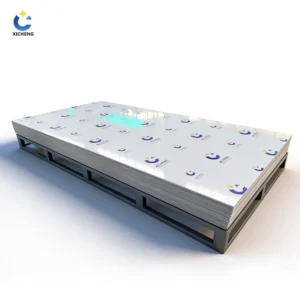
The nominal 4×8 sheet is 1220 mm wide by 2440 mm long, with a tolerance that varies by the manufacturer. The thickness runs from 0.5 mm to 25 mm and beyond, and the weight and the stiffness scale with the thickness. The exact dimension matters for the fabrication layout, because a panel design that assumes a full 1220 by 2440 sheet must account for the cutting tolerance and the edge trim. A fabricator that lays out the panels against the 1220 by 2440 boundary plans the cuts to fit the sheet, and the polypropylene sheet pillar covers the full size and thickness range.
Polypropylene Sheet Sizes Beyond 4×8
The 4×8 sheet is the standard, but the other sizes are available for the larger fabrications. A 4×10 foot sheet, 1220 by 3050 mm, serves a longer panel or a tank wall that must span beyond the 4×8 boundary. A 5×10 foot sheet and a range of cut sizes are supplied by the manufacturer for the project that needs a custom dimension. The sheet is also available in a roll for the continuous lengths that a lining or a long duct needs, and the roll supply is covered in the roll guide. The 4×8 sheet remains the economical default, and the larger sizes are specified where the fabrication spans a single sheet or the project needs fewer seams.
The 4×8 sheet is also the basis for the 4×8 grid that the sign and the packaging industries use. A sign panel is laid out on the 4×8 sheet in the standard dimensions, and a box or a tote is cut from the sheet in a nest that uses the full area. The 4×8 sheet is the unit of production for the fabrication shops, and the sheet count for a project is the number of 4×8 panels that the cut list requires. The fabrication cost and the material cost are both quoted against the 4×8 sheet, and the sheet count is the number that the buyer multiplies by the sheet price. The 4×8 standard is therefore the unit of the whole industry, and the size guide is the reference for the project planning.
The 4×8 sheet is also the size that the weight and the price are quoted against in the industry. A supplier quotes the sheet by the 4×8 panel or by the weight, and the buyer who knows the sheet weight at the thickness can convert between the two. The sheet count and the weight together set the freight and the material budget, and the 4×8 standard is the common unit for both the quotation and the purchase order. A project that plans the sheet count, the weight, and the budget against the 4×8 sheet manages the cost from the start, and the size guide is the anchor for the whole purchase. The tolerance on the sheet dimension is part of the specification, because a fabrication that fits the panels to a precise dimension needs a sheet that holds the nominal size.
4×8 Polypropylene Sheet Weight
The 4×8 polypropylene sheet weight is the number that sets the handling, the shipping, and the structural support, and it follows the density and the thickness. A polypropylene sheet weighs 0.91 kg per square meter per millimeter of thickness, and the 4×8 sheet at 2.97 square meters weighs 2.7 kg per millimeter of thickness.
Weight by Thickness
| Thickness (mm) | Weight per 4×8 sheet (kg) | Weight per m2 (kg) |
|---|---|---|
| 1 | 2.7 | 0.9 |
| 2 | 5.4 | 1.8 |
| 3 | 8.1 | 2.7 |
| 5 | 13.5 | 4.6 |
| 6 | 16.2 | 5.5 |
| 8 | 21.6 | 7.3 |
| 10 | 27.0 | 9.1 |
| 15 | 40.5 | 13.7 |
| 20 | 54.1 | 18.2 |
The table gives the weight for the standard 4×8 sheet at each thickness, and the 4×8 polypropylene sheet thickness is the input that scales the weight. A 3 mm sheet at 8.1 kg is a two-person lift, and a 20 mm sheet at 54.1 kg needs mechanical handling. The weight per square meter is the figure the supplier quotes and the freight quote uses, and the table is the quick reference for both.
How Weight Is Calculated
The weight follows the formula that the cluster uses: the density, 0.91 g/cm3, times the volume. A 4×8 sheet at 3 mm has a volume of 8.93 million cubic millimeters, or 8.93 liters, and the polypropylene density gives a weight of 8.1 kg. The weight per square meter is 0.91 kg per millimeter, and the Engineering Toolbox PP properties reference confirms the density. A specifier who knows the thickness can calculate the sheet weight with the formula, and the PP sheet thickness guide covers the thickness selection.
Weight and Handling
The weight sets the handling and the freight. A 3 mm sheet at 8.1 kg is carried by two people and shipped on a pallet with several sheets. A 10 mm sheet at 27 kg needs a two-person lift and a heavier pallet, and a 20 mm sheet at 54 kg needs mechanical handling. The handling and the freight are part of the total cost, and the light density of the polypropylene is the reason the 4×8 sheet weighs a fraction of the same panel in PVC or steel. The weight check is the first step in the logistics, and the polypropylene sheets 4×8 weight table is the reference for the shipping quote.
The weight also affects the fabrication and the installation. A tank panel at 6 mm weighs 16.2 kg and is handled by two people, and the panel is positioned in the jig and welded by the crew. A heavy 20 mm panel at 54 kg needs a hoist or a vacuum lifter, and the handling plan is part of the fabrication schedule. The weight drives the welding jig, the lifting equipment, and the safety plan, and a shop that knows the sheet weight before the fabrication sets up the handling correctly. The 4×8 polypropylene sheet weight is therefore an operations input as much as a logistics input, and the table is the reference for both the shipping and the shop floor.
The weight comparison with the alternatives sets the polypropylene advantage. A 4×8 sheet in PVC at 1.4 g/cm3 weighs 1.5 times the polypropylene sheet at the same thickness, and a steel sheet weighs far more. The polypropylene 4×8 sheet is the light-weight choice, and the weight saving reduces the structural support and the handling cost. A tank or a duct fabricated from the polypropylene sheet weighs a fraction of the metal equivalent, and the weight is the property that makes the polypropylene fabrication practical. The 4×8 polypropylene sheet weight is the number that the comparison with the alternatives starts from.
4×8 Polypropylene Sheet Types
The polypropylene sheets 4×8 are available in the main types of the family, and the type selection is the first choice after the thickness.
Solid 4×8 Sheet
The solid 4×8 sheet is the standard structural panel: a dense polypropylene sheet used for the tanks, the ductwork, the scrubbers, and the machine guards. The solid sheet carries the full chemical resistance, the weldability, and the temperature duty of the material, and it is the type that the structural fabrication uses. A 3 mm solid sheet at 8.1 kg serves a duct panel, and a 10 mm solid sheet at 27 kg serves a tank wall. The solid 4×8 sheet is the default for the chemical and the environmental equipment, and the weight table in the previous section is the reference. The material properties of the solid sheet follow the ASTM D4101 standard classification for the polypropylene materials.
The type selection also considers the surface and the edge. A solid 4×8 sheet with a smooth surface is specified for a lining or a welded fabrication, and a sheet with a textured surface is specified for a floor panel or a machine guard. The corrugated sheet is specified for the print, and the solid sheet for the weld. The edge quality matters for the weld, because a clean square edge produces a consistent joint, and the fabricator checks the edge on receipt. The 4×8 sheet type and the surface are specified together, and the selection matches the panel to the duty that the surface and the edge will carry.
The 4×8 sheet is also ordered with a cut-to-size service from the manufacturer. A project that needs the panels at a specific dimension orders the cut panels, and the manufacturer cuts the 4×8 sheet to the layout and ships the panels ready for the fabrication. The cut-to-size service reduces the on-site cutting and the waste, and it is the option for the project that needs the precise panels. The 4×8 sheet and the cut panels are the two supply modes, and the buyer chooses the mode that fits the fabrication plan.
Corrugated/Fluted 4×8 Sheet
The corrugated or fluted 4×8 sheet is the lightweight type with the hollow ribbed core, used for the signage, the packaging, and the temporary protection. The fluted polypropylene sheet 4×8 is the standard sign board, and it weighs a fraction of the solid sheet at the same thickness, because the hollow core replaces the dense plastic. A 4 mm fluted sheet weighs roughly 1.2-1.5 kg per square meter, compared with 3.6 kg for the solid 4 mm sheet. The corrugated 4×8 sheet is the choice for the 4×8 plastic sheet that must be light and printable, and the corrugated polypropylene sheet guide covers the type in detail. The solid and the corrugated 4×8 sheets are the two main members of the size, and the selection is set by the duty.
4×8 Polypropylene Sheet Price
The polypropylene sheets 4×8 price is set by the thickness, the type, and the quantity, and the reference below gives a budget range for the solid sheet.
Price by Thickness
| Thickness (mm) | Typical price per 4×8 sheet |
|---|---|
| 2 | $35-55 |
| 3 | $45-70 |
| 5 | $65-100 |
| 6 | $75-120 |
| 10 | $120-190 |
| 15 | $170-260 |
The table gives a typical price range for the solid polypropylene 4×8 sheet by thickness, and the price scales with the material weight. A 3 mm sheet at 8.1 kg costs less than a 10 mm sheet at 27 kg, because the price is set per kilogram with a processing and a freight component. The polypropylene sheets 4×8 price from a manufacturer is the material-plus-fabrication price, and the distributor price adds the stocking and the handling margin. The polypropylene sheet price guide covers the full cost by type and thickness.
Price Factors
The price is driven by the material weight, the grade, the surface, and the quantity. The material weight sets the base price, and a thicker sheet costs more per sheet but less per unit of stiffness. The grade adds a premium for a UV or a flame-retardant specification, and the surface treatment adds a small cost for a printed or a coated panel. The quantity sets the unit price, because a full pallet of sheets carries a lower per-sheet cost than a single sheet. A project that orders the sheets in quantity and against the 4×8 standard size receives the best price, and the polypropylene sheets 4×8 purchase is a quantity decision as much as a size decision.
The price also varies with the region and the source. A manufacturer in China, such as Xicheng, supplies the sheet at a lower price per kilogram than a Western distributor, because the fabrication and the labor costs are lower. The landed cost includes the freight and the duty, and the comparison between a domestic and an import sheet is a total-cost comparison, not a per-sheet price comparison. A project that buys in volume and in the standard 4×8 size receives the best price from either source, and the quantity and the standard size are the two levers on the unit price. The 4×8 polypropylene sheet price guide is the reference for the budget and the negotiation.
The budget for a 4×8 polypropylene sheet project is set by the sheet count and the thickness. A sign project that uses the 3 mm corrugated sheet at the low price carries a small material budget, and a tank project that uses the 10 mm solid sheet carries a larger one. The budget is the sheet count times the per-sheet price, plus the fabrication and the delivery, and the estimate is accurate when the thickness and the type are fixed. The 4×8 price reference table gives the per-sheet budget, and the project budget follows from the table and the quantity.
Laying Out a Fabrication on a 4×8 Sheet
The polypropylene sheets 4×8 layout is the fabrication planning step that sets the material cost, and a panel design that fits the 4×8 boundary wastes less than a design that ignores it.
The 4×8 Layout
A fabricator plans the panels against the 1220 by 2440 mm sheet boundary before cutting. A duct, a tank panel, or a machine guard is laid out so the panels nest within the 4×8 sheet, with the cut lines shared between the adjacent panels. The layout accounts for the cutting tolerance and the kerf, and a design that fits the panel dimensions to the sheet produces the cut list with the minimum waste. The standard 4×8 sheet is the economical unit because the fabricators and the suppliers standardize on it, and the fabrication that uses the full sheet width and length buys the least waste.
Waste Reduction
The waste reduction follows from the layout discipline. A panel that is 610 by 1220 mm is cut two from a 4×8 sheet, and a panel that is 400 by 800 mm is cut nine from a sheet with a careful nest. The waste is the offcut that cannot fit another panel, and the layout that groups the panels of a similar size reduces the offcut. A project that designs the panels against the 4×8 standard from the start saves the material that a project that ignores the sheet boundary wastes. The polypropylene sheets 4×8 are ordered with the cut list, and the supplier can cut the panels to the layout and ship the panels ready for the fabrication.
The layout also accounts for the material direction. The polypropylene sheet has a machine direction from the extrusion, and the stiffness and the weld behavior can differ between the direction along the sheet and across it. A fabrication that spans a long panel is laid out with the stronger direction across the span, and a panel that folds is aligned with the machine direction. The fabricator marks the direction on the sheet and plans the panels with the direction in mind. The layout is therefore more than a cutting plan; it is a material-direction plan that uses the sheet properties to the best advantage. The 4×8 sheet layout combines the panel nesting and the direction planning.
The layout also minimizes the seam count. A tank wall or a duct section that is planned to use the full 4×8 sheet width reduces the number of welds, and a fabrication with fewer seams is faster to build and more reliable in service. The panel size is set against the sheet width so the fabrication uses the full dimension, and the seam count is a design input as much as the material use. The 4×8 sheet layout balances the waste against the seams, and the design that uses the sheet efficiently and reduces the welds is the low-cost fabrication.
Buying a 4×8 Polypropylene Sheet
The where to buy 4×8 polypropylene sheet decision is between the manufacturer and the distributor, and the ordering checklist closes the purchase.
Where to Buy
The 4×8 polypropylene sheet is bought from the manufacturer or the distributor. A manufacturer, such as Xicheng, supplies the sheet to the specification with the grade and the property data, and it can supply the larger sizes and the cut panels. A distributor stocks the standard 4×8 sheets and supplies them quickly, and it is the convenient source for a single sheet or a small quantity. A polypropylene sheets 4×8 order for a project that needs the grade control or the fabrication support goes to the manufacturer, and a standard sheet for a quick job comes from the distributor. The supplier choice is set by the quantity, the lead time, and the need for the grade confirmation.
Ordering Checklist
The order states the size, the thickness, the type, and the grade. The size is the 4×8 standard or the custom dimension, and the thickness is the structural value from the weight and the deflection check. The type is the solid or the corrugated sheet, and the grade is the homopolymer or the copolymer with the UV or the flame-retardant specification if needed. The order also states the quantity, the cut list, and the delivery, and a project that supplies the four inputs receives the correct sheet. The checklist prevents the common error of ordering a sheet by the size alone and receiving the wrong thickness or the wrong grade. The polypropylene sheets 4×8 that are ordered against the full specification fit the duty, and the sheet is delivered ready for the fabrication.
For a project sheet, browse the PP sheet product range or contact our engineering team with the thickness, the type, and the quantity, and receive a polypropylene sheets 4×8 quote matched to the project.
The buying also covers the freight and the storage. A 4×8 sheet ships flat on a pallet, and the sheets are stacked with a protective sheet between them to prevent the surface marking. The storage keeps the sheets flat and dry, because a polypropylene sheet that is stored on edge can warp, and a sheet stored in the sun degrades. The freight and the storage are part of the purchase, and a project that plans the receiving and the storage protects the sheet quality. The 4×8 polypropylene sheet purchase closes with the delivery plan, and the receiving check verifies the sheet count, the size, and the surface on arrival.
The manufacturer vs distributor choice also sets the grade assurance. A manufacturer confirms the homopolymer or the copolymer grade and the density on the data sheet, and a distributor may stock the standard grade without the confirmation. A structural project that needs the high density grade specifies it to the manufacturer, and a standard project takes the distributor stock. The grade assurance is part of the buying decision, and the 4×8 polypropylene sheet order that states the grade receives the correct material. The ordering checklist and the grade confirmation close the purchase.
FAQ
What size is a 4×8 polypropylene sheet?
A 4×8 polypropylene sheet measures 4 feet by 8 feet, which is 48 by 96 inches, or 1219 by 2438 mm, sold as a 1220 by 2440 mm panel. It has an area of 32 square feet, or 2.97 square meters.
How much does a 4×8 polypropylene sheet weigh?
A 4×8 polypropylene sheet weighs 2.7 kg per millimeter of thickness. A 3 mm sheet weighs 8.1 kg, a 6 mm sheet weighs 16.2 kg, and a 10 mm sheet weighs 27 kg. The weight is the density, 0.91 g/cm3, times the volume.
How much does a 4×8 polypropylene sheet cost?
A solid 4×8 polypropylene sheet ranges from roughly $45-70 for a 3 mm sheet to $120-190 for a 10 mm sheet. The price is set by the thickness, the grade, and the quantity, with a per-sheet discount on a pallet order.
What thickness polypropylene 4×8 sheet do I need?
A duct or a light panel uses 2-5 mm, a tank wall uses 6-15 mm depending on the hydrostatic load, and a heavy fabrication uses 15-25 mm. The thickness sets the weight and the stiffness, and the PP sheet thickness guide covers the selection.
Can I buy a 4×8 polypropylene sheet in corrugated form?
Yes. A corrugated or fluted 4×8 sheet is the standard sign and packaging panel, and it weighs roughly 1.2-1.5 kg per square meter at 4 mm, compared with 3.6 kg for a solid sheet. It is light, waterproof, and printable.
Is a 4×8 polypropylene sheet waterproof?
Yes. Polypropylene does not absorb water, so a 4×8 polypropylene sheet is waterproof. It is used for the outdoor signs and the washdown areas where a cardboard panel would fail.
Where can I buy a 4×8 polypropylene sheet?
A 4×8 polypropylene sheet is bought from a manufacturer or a distributor. A manufacturer supplies the sheet to the specification with the grade data and the cut panels, and a distributor stocks the standard sheets for a quick supply.
Is a 4×8 polypropylene sheet food safe?
A food-grade 4×8 polypropylene sheet is safe for food contact, because polypropylene is an FDA-compliant material. The grade must be specified as food-grade, and the sheet must not contain additives that are not approved for food contact.
What is the standard thickness of a 4×8 polypropylene sheet?
The standard thickness range is 0.5 mm to 25 mm, with the common industrial thicknesses at 2, 3, 4, 5, 6, 8, 10, 12, and 15 mm. The 3 mm sheet is the signage standard, and the 6-10 mm sheet is the tank and structural standard.