

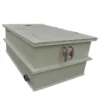
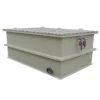
How to Choose the Right Pickling Tank and Electroplating Tank for Your Surface Treatment Operation
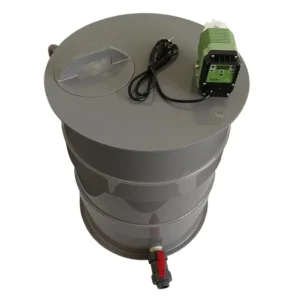
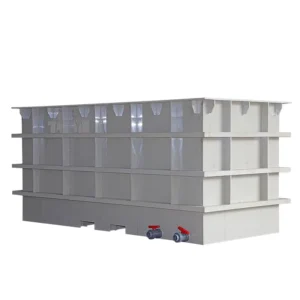
Selecting the appropriate Pickling tank and Electroplating tank is critical for the efficiency, safety, and longevity of your surface treatment operation. The wrong tank material or design can lead to premature failure, chemical leaks, production downtime, and costly replacements. This comprehensive guide helps you make informed decisions when selecting tanks for your pickling and electroplating processes.
Understanding Pickling Tank Requirements
A Pickling tank is designed to remove rust, mill scale, and oxides from metal surfaces using acidic solutions. The aggressive nature of pickling chemistries demands careful material selection and structural design.
Key Factors for Pickling Tank Selection:
1. Chemical Compatibility
The most critical factor is matching the tank material to your pickling chemistry:
- Hydrochloric Acid (HCl): PP (polypropylene) is the gold standard, offering excellent resistance at all concentrations
- Sulfuric Acid (H₂SO₄): PP works well up to 95% concentration at temperatures below 80°C
- Nitric Acid (HNO₃): PVC or PVDF recommended for concentrations above 50%
- Hydrofluoric Acid (HF): Requires special consideration – PP with appropriate thickness works for most concentrations
2. Operating Temperature
Heated pickling processes accelerate scale removal but place additional stress on tank materials:
- Room temperature pickling: PVC provides cost-effective performance
- Heated pickling (40-80°C): PP-H homopolymer is the preferred choice
- High-temperature pickling (>80°C): PVDF or dual-laminate construction required
3. Tank Size & Configuration
Consider your production volume and part dimensions:
- Batch size and part geometry determine required tank dimensions
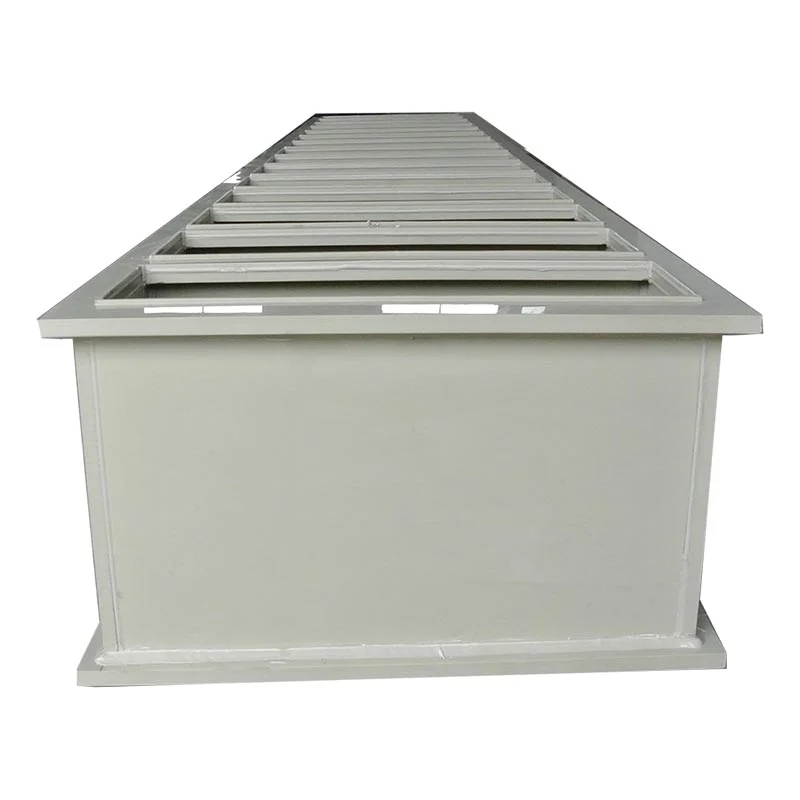
- Walk-in design for large structural steel components
- Multiple compartment tanks for sequential processing
- Overflow weirs for continuous solution cleaning
Electroplating Tank Selection Guide
Electroplating tank systems require precision engineering to ensure consistent plating quality, electrical safety, and process repeatability.
Critical Electroplating Tank Considerations:
1. Plating Chemistry Compatibility
Different plating processes have unique material requirements:
- Nickel plating: PP tanks with appropriate temperature rating
- Chrome plating: Specialized materials – PVC or PVDF preferred for hard chrome
- Zinc plating: PP works well for both acidic and alkaline zinc processes
- Copper plating: PP suitable for acid copper, verify for alkaline chemistries
- Anodizing: PVC or PP for sulfuric acid anodizing, specialized materials for hard coat
2. Dimensional Precision
For automated plating lines, tank dimensional accuracy is essential:
- Tolerances within ±2mm ensure proper fit with automated hoist systems
- Consistent internal dimensions prevent uneven current distribution
- Precise busbar mounting positions maintain electrode alignment
3. Electrical Insulation
Non-conductive tank materials provide important safety and quality benefits:
- Prevents stray current that causes uneven plating and pitting
- Eliminates electrical shock hazards for operators
- Reduces galvanic corrosion of metal components
Essential Features to Look for in Quality Pickling and Electroplating Tanks
Structural Reinforcement
- External stiffener rings prevent wall bulging under full load
- Steel support frames with plastic cladding for large tanks
- Corner reinforcement for rectangular tank designs
Weld Quality
- Extrusion welding provides 30-40% higher strength than hot air welding
- Full penetration welds prevent solution seepage
- Smooth weld beads reduce solution buildup and simplify cleaning
Process Integration Capabilities
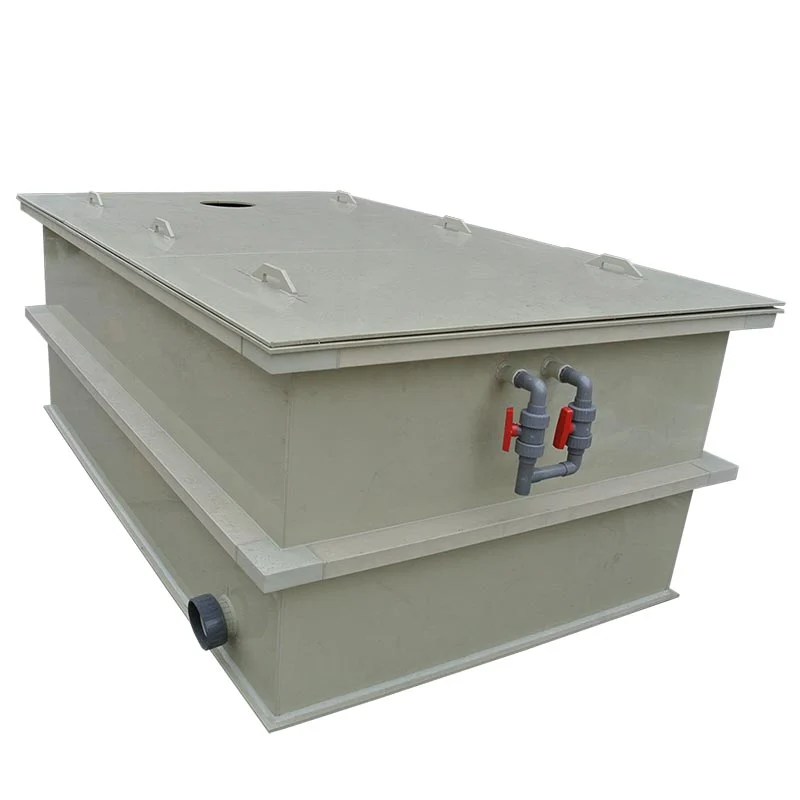
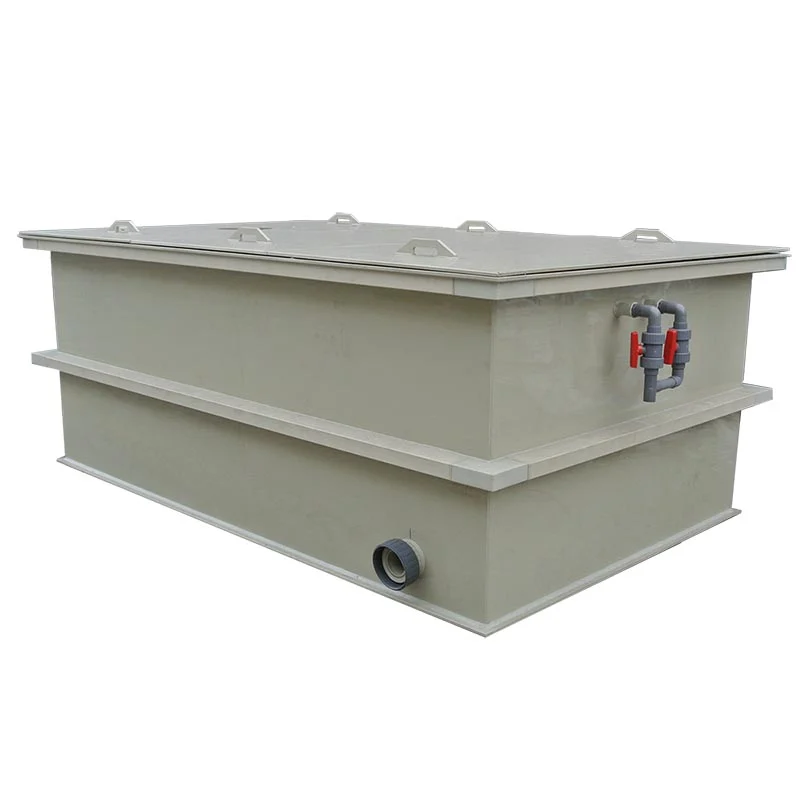
- Pre-drilled ports for solution inlet/outlet/drain
- Heating/cooling coil provisions
- Level sensor and temperature sensor mounting points
- Busbar support structures (for electroplating tanks)
- Fume extraction connections
Safety Features
- Overflow protection to prevent solution spills
- Secondary containment compatibility
- Non-slip rim design for operator safety
- Grounding provisions where required
Contact Our Engineering Team Today:
 Visit Us: No.34 Zhenxing Road (Shengtaian Heavy Industrial Park B), Loucun, Guangming New Dist, Shenzhen, Guangdong, China
 Direct Line: +86 18028775826
 Email: xichengepltd@gmail.com
Reviews
There are no reviews yet.