

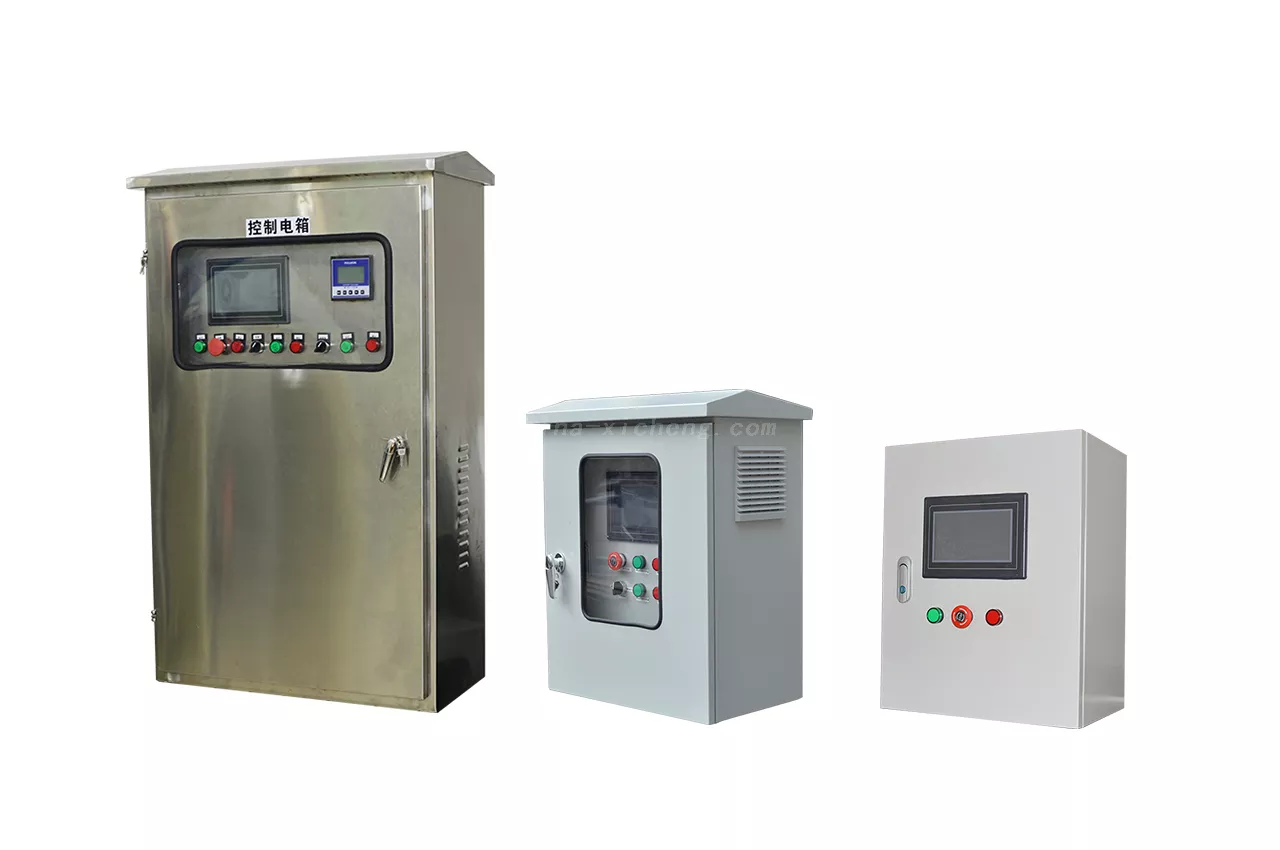
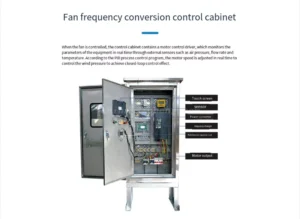
The main functions of the electrical control box include:
Centralized control: multiple electrical components are brought together to facilitate operation and management.
Protect components: Prevent electrical components from being affected by the external environment, such as dust, moisture, collision, etc.
Improve safety: Reduce the risk of electrical accidents.
Easy maintenance: It is convenient to inspect and maintain electrical components.
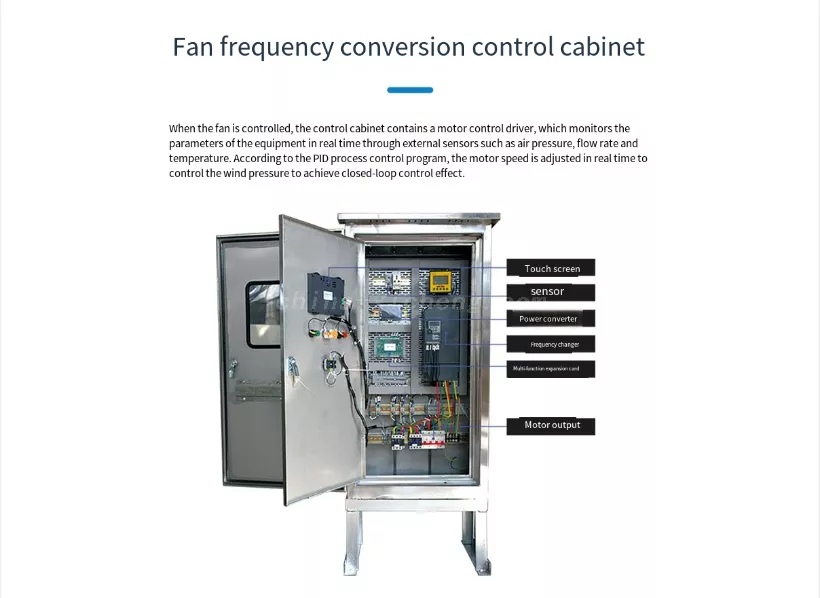
Electrical control boxes typically contain the following components:
Circuit breaker: used to cut off and protect circuits.
Contactor: Controls the start and stop of loads such as motors.
Frequency converter: energy-saving control based on power consumption.
Relay: realizes the control of small current to large current.
Fuse: Provides overload and short circuit protection.
Switches and Buttons: For manual control of circuits.
When designing and using electrical control boxes, you need to pay attention to the following points:
Comply with relevant electrical safety standards.
Reasonable layout, convenient for wiring and maintenance.
Has good heat dissipation performance.
The markings are clear and easy for operators to understand.
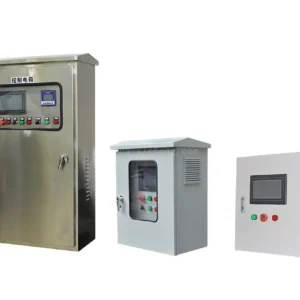
Electrical control boxes are widely used in various electrical systems, such as industrial production lines, electrical control of buildings, etc.
Reviews
There are no reviews yet.