

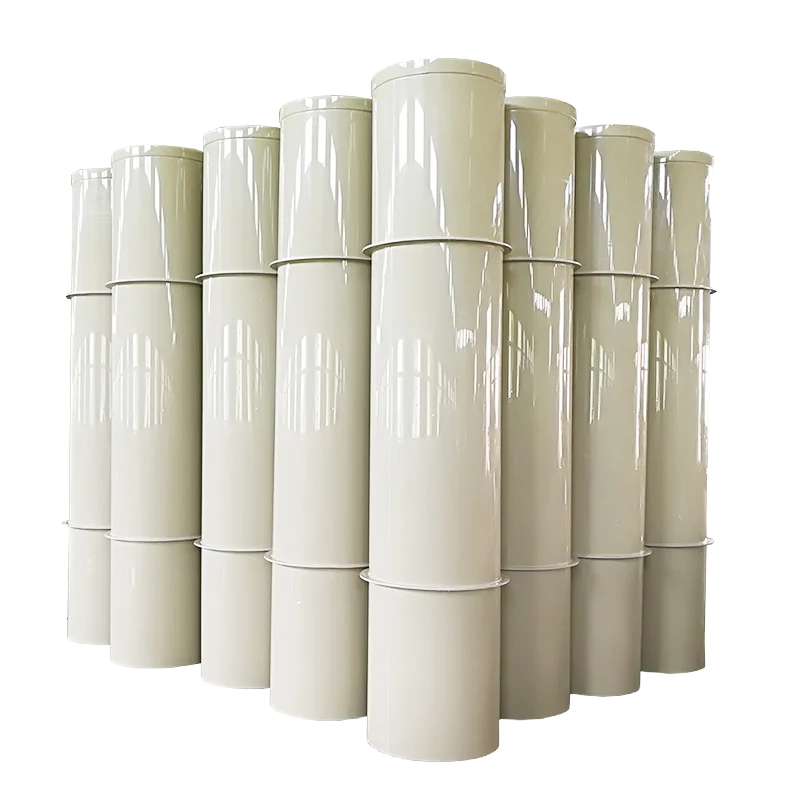
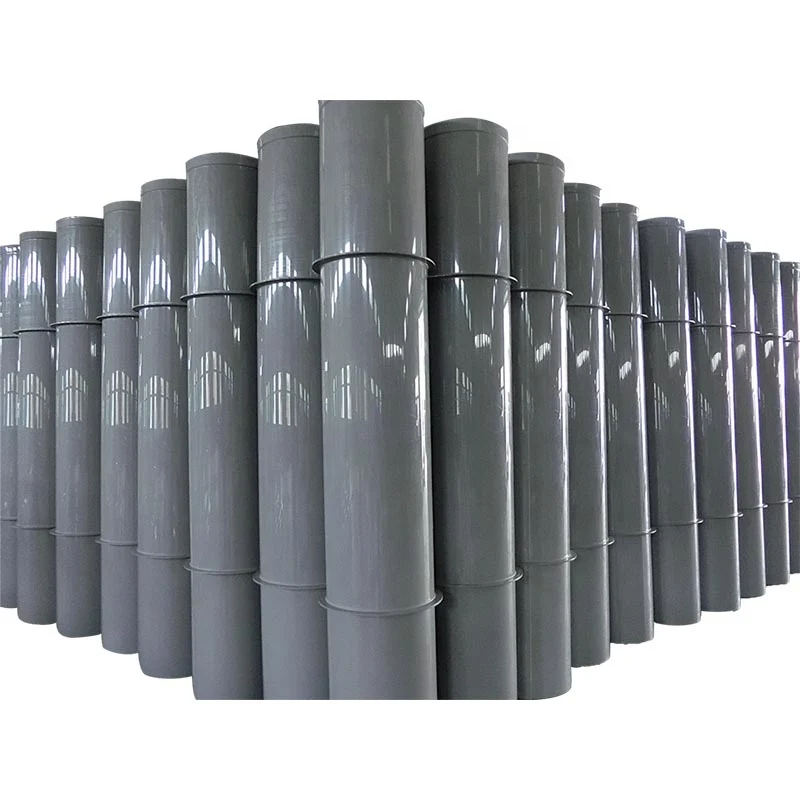

Processing Technology for Large-Diameter Industrial Polypropylene Duct
The processing technology for large-diameter PP air ducts (typically DN500 and above, especially DN1000+) differs fundamentally from small-diameter ducts — they cannot be directly formed by extrusion and must follow the PP sheet rolling + welding process route. The detailed processing flow is as follows:
I. Core Processing Workflow
1. Material Selection (Foundation for Large-Diameter Ducts)
- Main material: PP sheets conforming to GB/T 12670 standard, with thickness determined by pipe diameter and wind pressure:
- DN500-800: 5-6mm thickness
- DN800-1500: 8-10mm thickness
- DN1500 and above: 10-12mm thickness
- Auxiliary materials: PP welding rods of the same material, PP flanges, and reinforcing ribs (must be compatible with base material to avoid stress cracking)
- Special requirements: Flame-retardant ducts require B1-grade flame-resistant PP sheets
2. Cutting and Precision Layout
- Calculate sheet unfolding dimensions based on duct diameter (circumference = π × diameter + welding allowance)
- Use CNC cutting machines for precise cutting with dimensional tolerance ≤ 2mm
- Grind cuts into 30° V-grooves, remove burrs to ensure tight welding fit
- Special fittings such as elbows, tees, and reducers require separate template layout
3. Rolling and Forming (Core Process for Industrial Polypropylene Duct)
- Use three-roll plate rolling machines to gradually roll PP sheets into cylinders
- Apply uniform force during rolling, repeatedly adjust roundness to avoid localized stress concentration
- Ensure flush butt joints with misalignment ≤ 1mm
- Diameters DN1200 and above require segmented rolling followed by assembly into complete pipes
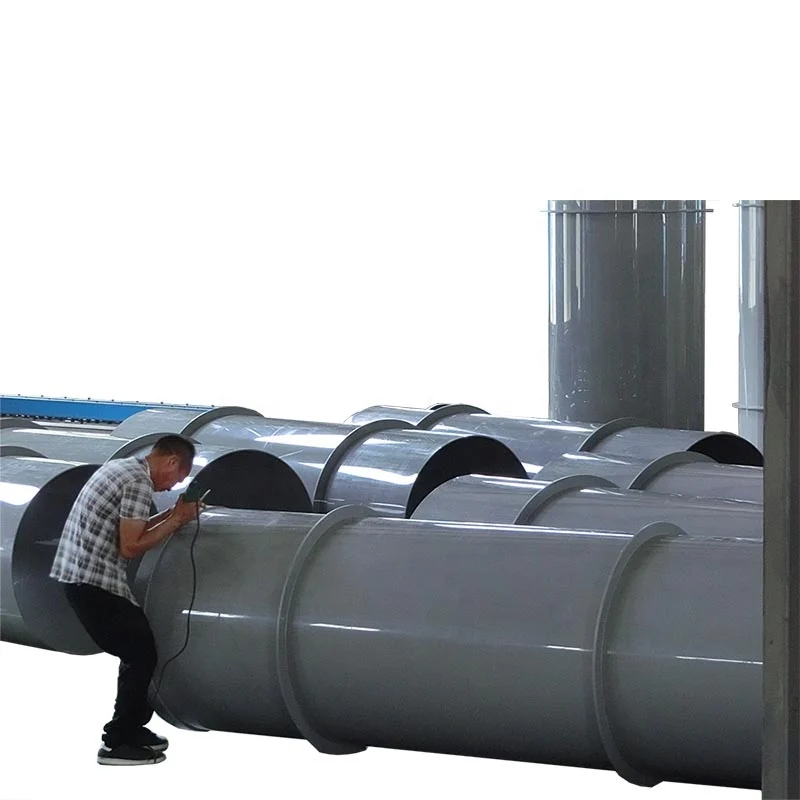
4. Welding Technology (Key to Duct Quality)
Two main welding methods are used for large-diameter PP air ducts:
🔹 Hot Air Welding (Most Commonly Used)
- Welding gun temperature controlled at 240-280°C
- PP welding rod and base material heated and melted simultaneously, ensuring uniform welds without bubbles
- Straight pipe joints use V-groove butt welding with at least 2 weld passes
- Additional lap welding at internal seams for enhanced structural strength
🔹 Extrusion Welding (For Extra-Large Diameters)
- Ducts DN1500 and above use extrusion welding guns for higher welding strength
- Molten PP welding rod continuously extruded to fill weld seams for better integrity
Critical Welding Parameters:
- Natural cooling for 24 hours minimum after welding, forced cooling prohibited
- Avoid vibration during cooling to prevent stress cracking in welds
5. Reinforcement Treatment (Mandatory for Industrial Polypropylene Duct)
PP ducts ≥ 500mm diameter are highly prone to deformation and must be reinforced:
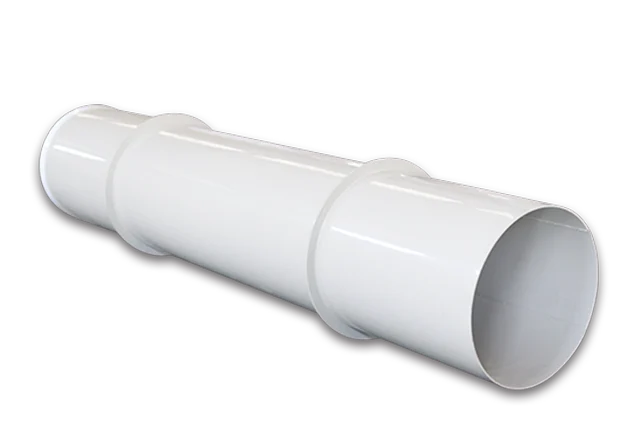
- Flange reinforcement: Weld PP flanges at both ends of each duct section, serving as both connection structure and reinforcement rings
- Intermediate reinforcing rings: Add 1-2 PP reinforcing ribs mid-section when pipe length exceeds 2 meters
- Flange bolt spacing: ≤ 150mm to ensure connection sealing and structural rigidity
II. Fittings and Connection Methods
Elbow/Tee/Reducer Fabrication
- Cut into segments according to angles (e.g., 90° elbows divided into 4-6 segments)
- Heat and soften, then weld segment by segment into shape
- Grind internal welds smooth to reduce wind resistance
Pipe Section Connection Methods
- Hot Melt Butt Welding (Recommended for DN800 and below)
- Heating plate temperature: 210±5°C
- Welding pressure: 0.15-0.25MPa
- Heat absorption time: wall thickness × 10 seconds/mm
- Cooling time: wall thickness × 1.5 minutes/mm
- Flange Connection (Mandatory for DN800 and above)
- PP flange butt joint with acid-alkali resistant rubber gasket in between
- Tighten bolts diagonally and evenly to prevent flange deformation
- Detachable design for convenient maintenance and cleaning
Contact Our Engineering Team Today:
 Visit Us: No.34 Zhenxing Road (Shengtaian Heavy Industrial Park B), Loucun, Guangming New Dist, Shenzhen, Guangdong, China
 Direct Line: +86 18028775826
 Email: xichengepltd@gmail.com
Shenzhen Xicheng — Precision Engineering for a Cleaner Future.



Reviews
There are no reviews yet.