Choosing the pp sheet thickness is the engineering decision that sets the strength, the weight, and the cost of a polypropylene fabrication. A sheet that is too thin deflects under the load and fails, and a sheet that is too thick wastes material and money, because the stiffness scales with the thickness cubed while the weight and the cost scale linearly. The right thickness is set by the application, the load, and the span. This guide is the complete thickness reference: the full range, the thickness by application, the imperial sizes, the load and deflection basis, and the weight and cost by thickness. It is part of the PP sheet guide series, and it connects the cluster’s size and weight coverage to the thickness selection.
Key Takeaways
- The pp sheet thickness range is 0.5-25 mm, with the common industrial thicknesses at 2, 3, 4, 5, 6, 8, 10, 12, and 15 mm, and the selection is set by the application, the load, and the span.
- The thickness by application: a lining and a cover use 1-2 mm, a duct uses 3-4 mm, a tank wall uses 6-15 mm depending on the hydrostatic load, and a structural fabrication uses 10-25 mm.
- The stiffness scales with the thickness cubed, so a doubled thickness is eight times stiffer. A small thickness increase solves a deflection problem that the material change cannot.
- A polypropylene sheet weighs 0.91 kg per square meter per millimeter, so a 1 mm sheet is 0.9 kg/m2, a 6 mm sheet is 5.5 kg/m2, and a 20 mm sheet is 18.2 kg/m2, and the cost scales with the weight.
- The imperial sizes convert to the metric: 1/4 inch is 6.35 mm, 1/2 inch is 12.7 mm, and the 1/4 inch sheet is the imperial tank and duct standard. Confirm the thickness tolerance and the grade with the supplier.
- The thickness also accounts for the creep: polypropylene deflects gradually under a sustained load, so a tank wall that runs for 10-15 years uses a margin over the short-term deflection calculation. The fabrication method and the weld edge set the minimum thickness, because a thin sheet at 1-2 mm is lined instead of welded.
What Thickness Polypropylene Sheet Do You Need?
The answer to what thickness polypropylene sheet you need is set by the application, the load, and the span, and it is an engineering decision, not a preference. The pp sheet thickness range spans the full duty, and the selection follows the three inputs.
The Thickness Range
A polypropylene sheet is available from 0.5 mm to 25 mm and beyond, with the common industrial thicknesses at 2, 3, 4, 5, 6, 8, 10, 12, and 15 mm. The thin sheets at 1-2 mm serve a lining and a cover, where the panel carries little load. The medium sheets at 3-6 mm serve a duct and a light tank, where the panel spans a modest distance. The thick sheets at 8-25 mm serve the structural fabrication, where the panel takes a load and resists a deflection. The polypropylene sheet pillar covers the full range, and the thickness selection maps the application to the range.
The Selection Inputs
The thickness is set by three inputs: the load, the span, and the duty. The load is the force the panel carries, from the weight of the stored liquid in a tank wall to the wind on an outdoor sign. The span is the distance the panel spans between its supports, because the deflection grows with the span. The duty is the chemical and the temperature, because a chemical or a hot service sets the material and the margin. The three inputs together determine the minimum thickness, and the selected thickness is the next standard size above the calculated minimum. A sheet that is too thin fails, and a sheet that is a standard size above the minimum carries the margin that the fabrication needs.
The selection also considers the sheet availability. The common thicknesses are stocked by the distributors, and the non-standard thicknesses are made to order by the manufacturer. A project that needs a standard 3, 6, or 10 mm sheet receives it quickly from the distributor, and a project that needs a 7 or a 12 mm sheet orders it from the manufacturer with a lead time. The thickness selection balances the engineering requirement against the availability, and a design that uses a standard thickness saves the lead time and the cost. The pp sheet thickness that is both sufficient and standard is the practical answer.
The thickness also carries a fabrication consequence. A panel that is welded into a tank or a duct must be thick enough to hold the weld and the load, and a panel that is folded or fastened must be thin enough to bend. The thickness range is therefore set by the fabrication method as well as the load, and the selection is an engineering balance across the stiffness, the weight, and the fabrication. A sheet that meets the load but is too thin for the weld fails at the joint, and a sheet that is too thick for the fold cracks at the bend. The pp sheet thickness that fits the fabrication and the load together is the correct selection.
PP Sheet Thickness by Application
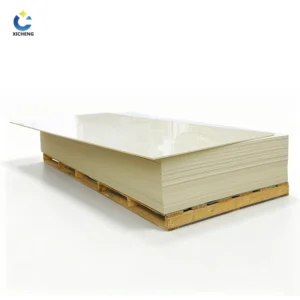
The pp sheet thickness by application is the practical reference, and the table below maps the common thicknesses to the typical duty.
Thin Sheets for Lining and Covers
The thin sheets at 1-3 mm serve a lining, a cover, and a lightweight panel. A 1 mm polypropylene sheet lines a tank to isolate the substrate from the chemical, and a 1mm pp sheet at 0.9 kg per square meter is a light, flexible lining that conforms to the surface. A 2 mm sheet serves a cover and a light panel, and the 2mm polypropylene sheet at 1.8 kg per square meter is the common lining and cover grade. The thin sheets carry no structural load, and they are specified for the corrosion barrier and the protective panel where the stiffness is not the input.
Medium Sheets for Duct and Tanks
The medium sheets at 3-8 mm serve the duct, the light tank, and the machine guard. A 3 mm sheet at 2.7 kg per square meter is the duct and signage standard, spanning a modest duct width without a frame. A 5 mm sheet at 4.6 kg per square meter serves a light tank wall and a scrubber panel. A 6mm polypropylene sheet at 5.5 kg per square meter is the common tank and duct grade, carrying a moderate hydrostatic load and a long duct span. The medium sheets balance the stiffness and the weight, and they are the most common thickness range in the industrial fabrication.
Thick Sheets for Structural Fabrication
The thick sheets at 8-25 mm serve the structural tanks, the scrubbers, and the heavy fabrication. An 8 mm sheet at 7.3 kg per square meter serves a structural tank, and a 10 mm sheet at 9.1 kg per square meter is the heavy-tank and scrubber grade. The 12-15 mm sheets serve the large tanks and the load-bearing panels, and the 20 mm and above serve the heavy structural duty. The what thickness PP sheet for a tank answer is the 6-15 mm range, set by the tank height and the hydrostatic load, and the structural thickness carries the load with the stiffness that the deflection calculation requires.
| Thickness (mm) | Typical applications |
|---|---|
| 1-2 | Lining, covers, lightweight panels |
| 3-4 | Ductwork, signage, light fabrication |
| 5-6 | Tank walls, scrubbers, machine guards |
| 8-10 | Structural tanks, heavy duct |
| 12-15 | Large tanks, structural fabrication |
| 20+ | Heavy structural, thick tank walls |
The table gives the application by thickness, and the Engineering Toolbox PP properties reference provides the material data for the calculation.
The application table is a starting reference, and the load and the span refine the thickness within the band. A duct that spans a short distance at a low pressure uses the 3 mm grade, and a duct that spans a long distance or carries a heavy load uses the 5-6 mm grade. A tank that is 1 meter high uses the 6-8 mm wall, and a tank that is 3 meters high uses the 12-15 mm wall. The application band gives the range, and the load and the span set the thickness within it. The pp sheet thickness by application is the practical guide, and the engineering calculation is the refinement.
The thin band also serves the corrosion-barrier duty that the industrial fabrication relies on. A 1-2 mm lining isolates a steel or a concrete tank from the chemical, and a 1 mm sheet that is bonded to the substrate provides the barrier without adding the structural load. The lining thickness is set by the erosion and the chemical duty, not by the stiffness, because the substrate carries the structural load. The 1mm pp sheet and the 2mm polypropylene sheet are the lining standards, and the lining duty is the largest use of the thin band.
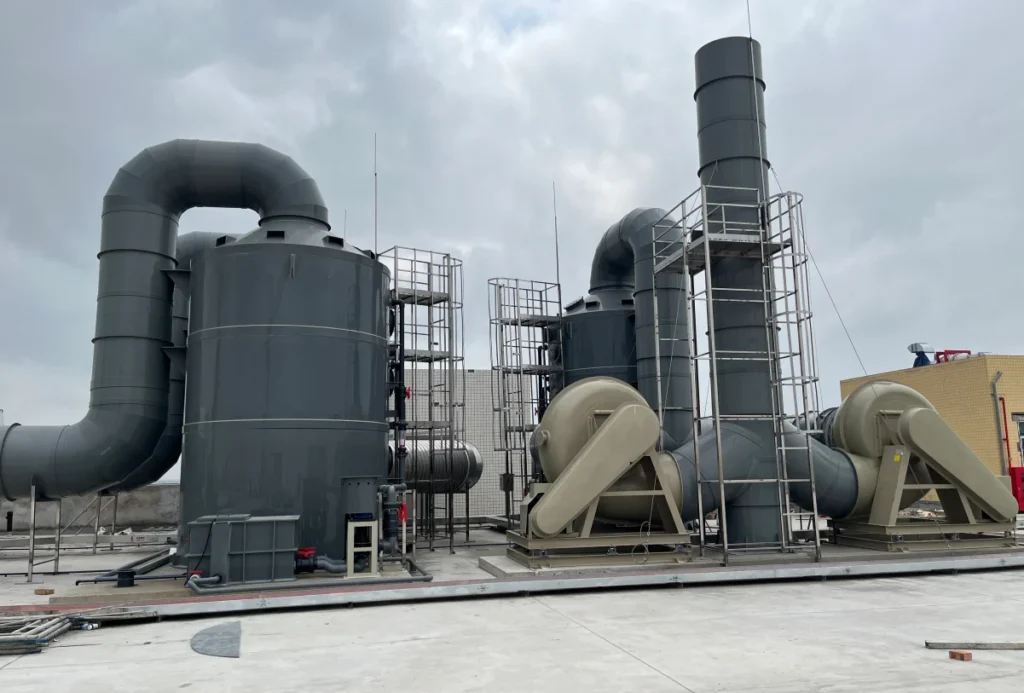
The medium band is also the range that the scrubber and the environmental equipment use. A scrubber body, a fume hood, and a spray tower panel are fabricated from the 5-8 mm sheet, because the equipment spans a section and carries a moderate load. The 6mm polypropylene sheet is the standard for the Xicheng scrubbers and the ductwork, and the medium band is the workhorse of the environmental fabrication. The selection of the medium thickness balances the stiffness against the weight, and the environmental equipment uses the medium band where the panel must hold its shape without the excess weight.
Imperial Thicknesses
The pp sheet thickness is also supplied in the imperial fractional sizes, and the conversion is the reference for the buyers and the fabricators who work in inches.
The Fractional Sizes
The imperial polypropylene sheet is supplied in the standard fractional sizes: 1/16, 1/8, 1/4, 3/8, 1/2, and up to 1 inch. The fractional sizes convert to the metric equivalents that the industry stocks: a 1/8 inch sheet is 3.18 mm, a 1/4 inch sheet is 6.35 mm, and a 1/2 inch sheet is 12.7 mm. A 1/4 inch polypropylene sheet at 6.35 mm is the closest to the common 6 mm grade, and it is the tank and duct standard in the imperial market. The buyer who specifies in inches orders the nearest metric sheet, and the conversion table below is the reference.
1/4 Inch Polypropylene Sheet
The 1/4 inch polypropylene sheet is the most common imperial thickness for the industrial fabrication, matching the 6 mm metric grade. It weighs 5.8 kg per square meter, carries a moderate hydrostatic and span load, and serves the tanks, the ductwork, and the machine guards. The 1/4 inch polypropylene sheet is the imperial equivalent of the 6 mm sheet that the medium-duty application uses, and the selection is the same: set the thickness by the load and the span, and the 1/4 inch sheet is the mid-range imperial choice.
| mm | inches |
|---|---|
| 1.5 | 1/16 |
| 3 | 1/8 (3.18) |
| 5 | 3/16 (4.76) |
| 6 | 1/4 (6.35) |
| 8 | 5/16 (7.94) |
| 10 | 3/8 (9.53) |
| 12 | 1/2 (12.7) |
| 15 | 5/8 (15.9) |
| 20 | 3/4 (19.1) |
| 25 | 1 (25.4) |
The table gives the metric-imperial conversion for the standard thicknesses, and the pp sheet thickness selection uses the same load and span basis regardless of the unit.
The imperial selection also covers the welding and the edge. A 1/8 inch sheet welds into a light duct, a 1/4 inch sheet welds into a tank, and a 1/2 inch sheet welds into a structural vessel. The weld strength scales with the thickness, and a fabrication that carries a load uses the thicker sheet for the stronger weld. The imperial thickness and the metric thickness follow the same load and span basis, and the fabricator that works in inches converts the calculation to the fractional size. The pp sheet thickness in the imperial system is the same engineering decision measured in a different unit.
The fractional sizes also map to the stock that the imperial distributors carry. A distributor stocks the 1/16, 1/8, 1/4, 3/8, 1/2, and 3/4 inch sheets, and the project that specifies a fractional size receives the stock sheet with a short lead time. The metric stock and the imperial stock overlap at the common thicknesses, and the buyer who specifies the nearest stock size avoids the made-to-order lead time. The 1/4 inch polypropylene sheet and the 6 mm sheet are the same stock band, and the selection is the same in either unit.
Thickness, Stiffness, and Load
The polypropylene sheet stiffness thickness relationship is the engineering basis for the selection, and it explains why a small increase in the thickness makes a large difference in the stiffness.
The Deflection Basis
The stiffness of a flat panel scales with the thickness cubed. A sheet that is doubled in thickness is eight times stiffer, and a sheet that is increased from 3 mm to 6 mm deflects one-eighth as much under the same load. The cubic relationship is the reason the thickness is the dominant lever on the deflection: a small thickness increase solves a deflection problem that no material change can. The deflection of a polypropylene panel under a load is calculated from the flexural modulus, the thickness, the span, and the load, and the modulus follows the ASTM D4101 standard for the material grade. The pp sheet thickness that keeps the deflection within the allowable limit is the engineering answer.
Load and Span
The load and the span set the required stiffness. A tank wall carries the hydrostatic load of the stored liquid, which grows with the tank height, and a duct panel carries the pressure and its own span. The panel thickness is selected so the deflection stays below the allowable fraction of the span, typically 1/100 to 1/200 of the span for a structural panel. A panel that spans 600 mm deflects under the load, and the thickness that holds the deflection is set by the span and the load together. The pp sheet thickness selection is therefore a deflection calculation, and a fabricator that specifies the thickness against the load and the span builds a panel that holds its shape.
The allowable deflection is set by the application. A sign panel that must stay flat for the print allows a small deflection, and a tank wall that must hold the liquid allows a small deflection under the hydrostatic load. A floor panel that carries a foot traffic load allows a larger deflection, and a duct panel allows a deflection that does not restrict the flow. The allowable deflection is the engineering tolerance that the thickness must hold, and the polypropylene sheet stiffness thickness selection is set against it. The flexural modulus of the polypropylene, near 1,200-1,600 MPa for the homopolymer, sets the stiffness, and the modulus and the thickness together determine the deflection under the load.
The deflection also sets the service life, because a panel that deflects beyond its limit creeps and deforms permanently over time. Polypropylene is a viscoelastic material that creeps under a sustained load, and a tank wall that is under-specified deflects gradually and bows outward over the years. The thickness is therefore set with a margin against the creep, and a fabrication that runs for 10-15 years uses a thicker sheet than the short-term deflection calculation alone requires. The pp sheet thickness that accounts for the creep and the service life is the durable engineering answer.
Thickness, Weight, and Cost
The pp sheet thickness sets the weight and the cost linearly, and the weight and the cost follow the material volume.
Weight by Thickness
A polypropylene sheet weighs 0.91 kg per square meter per millimeter of thickness, and the weight scales directly with the thickness. A 1 mm sheet weighs 0.9 kg per square meter, a 6 mm sheet weighs 5.5 kg, and a 20 mm sheet weighs 18.2 kg. The weight sets the handling, the freight, and the structural support, and the polypropylene sheets 4×8 guide gives the weight for the standard sheet at each thickness. The linear weight means a double-thickness sheet weighs twice as much, and the cost and the handling scale with the weight.
Cost by Thickness
The cost scales with the weight, because the polypropylene sheet is priced per kilogram with a processing and a freight component. A thicker sheet costs proportionally more per sheet, but the stiffness advantage of the thickness is gained at the linear cost, not the cubic cost of the stiffness. The polypropylene sheet price guide gives the cost by thickness, and the selection balances the stiffness benefit against the weight and the cost. The polypropylene sheet thickness chart reference combines the thickness, the weight, and the cost, and the thickness that meets the stiffness at the lowest weight and cost is the economical choice.
The cost comparison across the thicknesses is a stiffness-per-dollar view. A 6 mm sheet costs about twice the 3 mm sheet but is eight times stiffer, so the thicker sheet delivers the stiffness at a fraction of the cost per unit of stiffness. The pp sheet thickness that is economical is the one that meets the stiffness at the lowest total weight, because the stiffness benefit of the thickness is gained at the linear cost. A project that over-specifies the thickness carries the weight and the cost without the benefit, and a project that under-specifies carries the deflection and the failure. The thickness that balances the stiffness and the cost is the engineering optimum, and the weight and the cost tables are the reference.
The weight also sets the freight and the handling, which add to the total cost. A thicker sheet weighs more, ships at a higher freight, and needs more handling on the shop floor. The total cost of the thickness is the material cost plus the freight and the handling, and a project that uses the minimum sufficient thickness minimizes all three. The pp sheet thickness selection is therefore a total-cost decision, and the engineering minimum that meets the load is the economical choice across the material, the freight, and the handling.
Selecting the Right Thickness
The pp sheet thickness selection closes with a checklist and a supplier confirmation, and the four inputs are checked before the order.
Selection Checklist
The first input is the application, which sets the thickness band from the application table. The second input is the load and the span, which sets the deflection and the minimum thickness. The third input is the duty, which sets the material grade and the temperature margin. The fourth input is the standard size, which rounds the calculated thickness up to the nearest stock thickness. A duct at 3-4 mm, a tank wall at 6-15 mm, and a structural panel at 10-20 mm are the typical results, and the pp sheet thickness that meets the load and the duty at the lowest weight is the economical selection. The checklist converts the engineering inputs into the order.
Supplier and Grade
The supplier confirms the thickness tolerance and the material grade. A polypropylene sheet is supplied to a thickness tolerance, and the tolerance matters for a fabrication that fits a slot or a groove. The grade, the homopolymer or the copolymer, is confirmed with the density and the property data, and the polypropylene sheet manufacturer guide covers the supplier evaluation. The order states the thickness, the grade, and the tolerance, and the delivered sheet is checked on receipt. The pp sheet thickness selection that closes with the supplier confirmation receives the correct sheet.
For a sheet at a specific thickness, browse the PP sheet product range or contact our engineering team with the application, the load, and the span, and receive a pp sheet thickness recommendation matched to the duty.
The selection also covers the fabrication method. A sheet that is welded into a tank or a duct needs a thickness that holds the weld, and a sheet that is folded or fastened into a panel needs a thickness that bends without cracking. A thicker sheet produces a stronger weld but is harder to fold, and a thinner sheet folds easily but carries a weaker joint. The fabrication method sets the thickness range, and the pp sheet thickness selection balances the structural load against the fabrication. A welded fabrication uses the medium-to-thick range, and a folded fabrication uses the thin-to-medium range.
The fabrication also sets the minimum thickness for a reliable edge. A sheet that is cut and welded needs an edge that the weld can fill, and a sheet that is folded needs a thickness that bends without a stress crack on the fold line. The thin sheets at 1-2 mm are more often lined and bonded than welded, because the weld on the thin edge is hard to make cleanly. The fabrication checklist confirms the thickness against the joining method, and a sheet that is selected with the fabrication in mind produces a joint that carries the load.
FAQ
What thickness polypropylene sheet do I need?
The thickness is set by the application, the load, and the span. A lining and a cover use 1-2 mm, a duct uses 3-4 mm, a tank wall uses 6-15 mm depending on the hydrostatic load, and a structural fabrication uses 10-25 mm. The pp sheet thickness that meets the load at the lowest weight is the answer.
What is the standard thickness of polypropylene sheet?
The standard thickness range is 0.5 mm to 25 mm, with the common industrial thicknesses at 2, 3, 4, 5, 6, 8, 10, 12, and 15 mm. The 3 mm sheet is the duct and signage standard, and the 6-10 mm sheet is the tank and structural standard.
How does thickness affect polypropylene sheet stiffness?
The stiffness scales with the thickness cubed. A sheet that is doubled in thickness is eight times stiffer, so a 6 mm sheet deflects one-eighth as much as a 3 mm sheet under the same load. The thickness is the dominant lever on the deflection.
How much does a polypropylene sheet weigh by thickness?
A polypropylene sheet weighs 0.91 kg per square meter per millimeter of thickness. A 1 mm sheet weighs 0.9 kg per square meter, a 6 mm sheet weighs 5.5 kg, and a 20 mm sheet weighs 18.2 kg.
What is a 1/4 inch polypropylene sheet in metric?
A 1/4 inch polypropylene sheet is 6.35 mm, the imperial equivalent of the common 6 mm grade. It is the tank and duct standard in the imperial market.
What thickness PP sheet do I need for a tank?
A tank wall uses 6-15 mm depending on the tank height and the hydrostatic load. A small tank at 1 meter uses 6-8 mm, and a large tank at 3 meters uses 12-15 mm. The wall thickness is set by the liquid load and the span.
Does a thicker polypropylene sheet cost proportionally more?
Yes. The cost scales with the weight, which scales linearly with the thickness. A double-thickness sheet costs about twice as much, but it is eight times stiffer, so the stiffness gain is far larger than the cost increase.
What is the difference between 3mm and 6mm polypropylene sheet?
A 6 mm sheet is twice the weight and about twice the cost of a 3 mm sheet, but it is eight times stiffer. The 3 mm sheet serves a duct and a light panel, and the 6 mm sheet serves a tank wall and a heavier fabrication.
Can I weld a thin polypropylene sheet?
A thin polypropylene sheet at 1-3 mm welds, but the weld is harder to make cleanly on the thin material. A sheet of 3 mm and above welds reliably for a structural joint, and the thin sheets are more often lined or folded than welded.
How does creep affect the thickness selection?
Polypropylene creeps under a sustained load, so a tank wall that is under-specified deflects gradually and bows over the years. The thickness is set with a margin against the creep, and a fabrication that runs for 10-15 years uses a thicker sheet than the short-term deflection calculation alone requires.