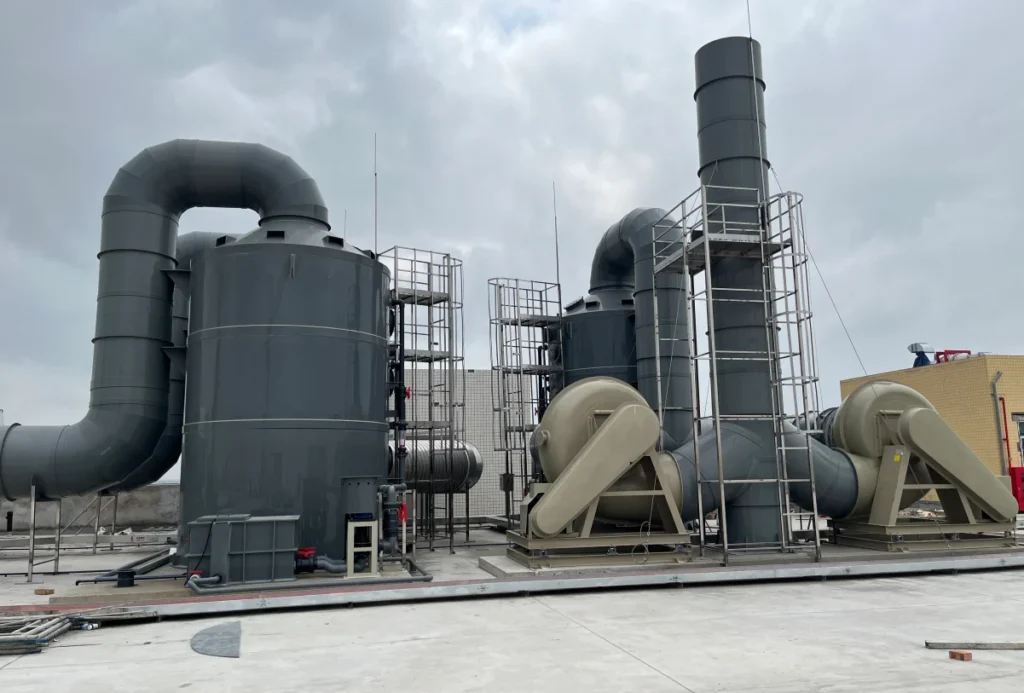
A black polypropylene sheet is colored polypropylene made opaque, and it is the second most common format of the material after natural. The color is not painted on; it runs through the entire thickness, added as a masterbatch pigment before the sheet is extruded. That matters to buyers who search for black polypropylene sheet and polypropylene sheets black, because it means the black is a material property that survives cutting, welding, and scratching, not a coating that can wear off. Black polypropylene sheet is stocked for tank liners, fire truck tanks, electrical housings, signage, and food-contact panels, and at a density of 0.90 g/cm3 it is lighter than virtually every other black plastic. The color changes two things about the sheet: how it behaves in sunlight and how it looks in service. This guide covers how color gets into the sheet, black against white and natural, the UV behavior, the colored grades, the prices buyers actually see, and how to specify a color on an order. The polypropylene sheet guide covers the base material in depth; this guide covers the black and colored formats.
What Is a Black Polypropylene Sheet?
A black polypropylene sheet is extruded from polypropylene resin that has been colored black before it becomes a sheet, so the pigment is part of the material rather than a layer on it. The sheet is fully opaque, weighs the same as a natural sheet at the same thickness, and welds, cuts, bends, and machines exactly like the natural grade. What the color does change is the way the sheet behaves outdoors, the way it looks in service, and the way a buyer has to specify it. Understanding the base product first, then the color on top of it, is the difference between ordering a stock black panel and ordering the wrong black grade.
How Color Gets Into the Sheet
The sheet is colored at the compounding stage, before extrusion. A black polypropylene sheet starts as polypropylene resin pellets mixed with a carbon black masterbatch, and the mix is melted and extruded as a flat sheet, so the pigment runs through the full thickness. Because the color is in the melt rather than applied to the surface, a colored polypropylene sheet cannot peel, flake, or wear off in service, and a scratch on the surface exposes the same black underneath. That is the difference between a colored plastic sheet and a painted or coated panel, and it is why fabricators specify colored sheet for parts that are cut, drilled, welded, and handled hard. The full production sequence is covered in the how polypropylene sheet is made guide.
The masterbatch route also sets the practical limits of color. The sheet is colored before it is extruded, so the color choice and the thickness, tolerance, and surface finish are fixed at the same time on the same production line. A fabricator cannot repaint a natural sheet to match a product color, because the pigment is absent from the material and a paint layer would not survive welding and scraping as the extruded color does. The color is specified at the production stage, which adds a small lead time for anything outside the standard range. For a buyer the working rule is simple: state the color on the order next to the grade and thickness, and treat it as a specification line, not as a finishing extra.
Black Is the Default Opaque Grade
Natural polypropylene sheet is milky white and translucent; black polypropylene sheet is fully opaque, and it is the default opaque grade because carbon black pigment is cheap, stable, and standard across the plastics industry. A black pp sheet normally prices the same as natural at equal thickness and is stocked by virtually every supplier, while a custom color carries a premium and a batch minimum. Buyers who search for polypropylene sheets black are almost always looking for panels that hide what is behind them, protect contents from light, or present a uniform black face, and that product is a stock item rather than a specialty order. Black is also the color with the fewest restrictions on recycled content, because the pigment hides the base resin color, which is why economy-grade black sheet exists where an equivalent white or natural recycled sheet does not.
Homopolymer vs Copolymer in a Black Sheet
The resin, not the color, sets the mechanical behavior, and both resin types are made in black. Homopolymer polypropylene sheet is stiffer, higher in tensile strength, and slightly higher in melting point, which suits rigid panels, chemical tanks, and ductwork close to the temperature limit. Copolymer polypropylene sheet trades a little stiffness for better low-temperature impact resistance and better resistance to stress cracking, which is why black copolymer sheet is the standard for fire truck water tanks and vibration-exposed panels that must not crack in cold service. Both are black to the eye, with an identical surface, and the color tells the buyer nothing about which resin is underneath. Per the Engineering ToolBox polypropylene chemical resistance tables, both resins carry the same broad resistance to acids, bases, and solvents. The choice is made on the data sheet against the application’s impact and temperature duty, and a supplier quote should state which resin the black sheet is made from.
Black vs White vs Natural PP Sheet
The Pigment Makes the Difference
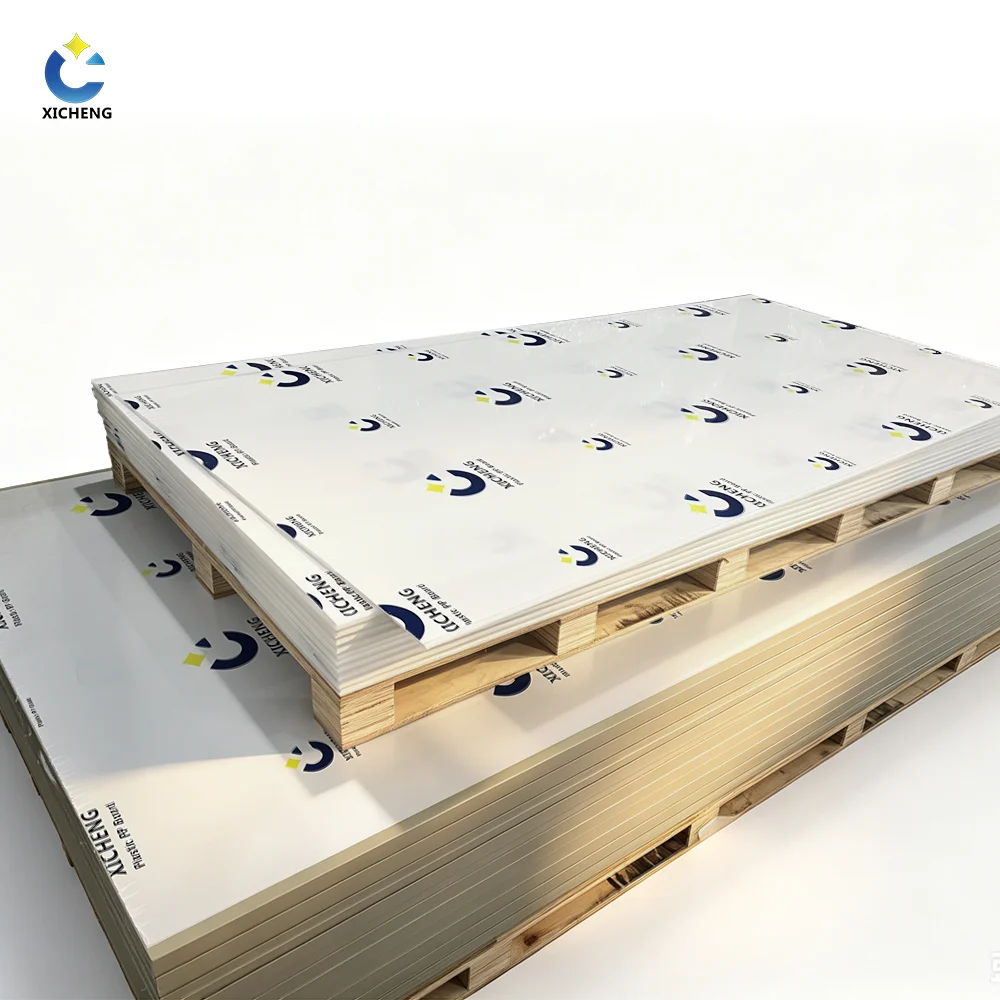
The three standard light-stable colors of polypropylene sheet are natural, black, and white, and each is a different pigment system. Natural is the base resin with no added colorant, milky and translucent. Black uses carbon black, which absorbs light and gives full opacity. White uses titanium dioxide, which scatters light and gives the clean, bright surface used in clean rooms and food plants. Grey, blue, green, red, and yellow are masterbatch blends, and each carries its own pigment chemistry and a slightly different cost depending on the pigment price. The pigment is a small fraction of the sheet weight, so the density of every color stays near 0.90 g/cm3, and the thickness prices in the polypropylene sheet price guide hold across the standard colors.
White has a practical advantage over black in hygiene-sensitive work: contamination shows on the surface. White polypropylene sheet is specified where cleanliness must be visible, in food handling, pharma, and semiconductor applications, while black hides stains and soot and is preferred where the surface must stay uniform-looking in dirty service. The choice between a black pp sheet and a white sheet is therefore rarely about mechanical difference and almost always about the environment the panel will live in.
What “Natural” Really Means
Natural polypropylene sheet is the raw resin color, a milky-white translucent grade. It is the cheapest base and the reference price for every colored grade, and it is the grade most suppliers stock in the widest thickness range. Specifying natural when the application needs black is a common error: natural transmits light, shows weld lines, and cannot match a colored product without a paint operation. Specify opaque white or black when full opacity is required, and check the opacity of the grade rather than trusting the product name. The term is also used loosely in listings, so a natural sheet in one catalog can appear as a light opaque white in another; the opacity, the grade, and the density on the data sheet are the real specification.
Does Color Change the Properties?
Color does not change the load-bearing properties of polypropylene sheet. A black sheet and a natural sheet at the same thickness and grade share the same density near 0.90 g/cm3, the same tensile and impact values, the same chemical resistance against the polypropylene material property tables, and the same welding and forming behavior, because the pigment is a few percent of the weight and is distributed through the material. The single place color changes behavior is ultraviolet exposure: carbon black absorbs UV in a black sheet, while white and natural rely on added UV stabilizers. The mechanical table in the data sheet is identical for every color, and the UV column is the one that differs. The table below summarizes the standard colors and what each buys.
| Color | What gives the color | Typical uses | Price vs natural |
|---|---|---|---|
| Natural (translucent) | Base resin, no pigment | Tanks, welding test pieces, economy panels | Reference |
| Black (opaque) | Carbon black | Fire truck tanks, electrical housings, signage, UV-exposed parts | Usually no premium |
| White (opaque) | Titanium dioxide | Food contact, clean rooms, semiconductor | Small premium |
| Grey (opaque) | Carbon black blend | Industrial ductwork, machine guards, equipment panels | Similar to black |
| Blue / green / red / yellow | Organic or mixed pigments | Color-coded services, signage, brand panels | Small-to-moderate premium |
Colored Polypropylene Sheet Options
Standard Colored Grades
Beyond black, sheet suppliers stock blue, grey, green, red, and yellow polypropylene sheet, mostly in the fluted and the solid formats. Colored pp sheet in the fluted format is the outdoor signage standard, sold as the corrugated board in white, blue, green, and red, printable on the smooth face and cut with a knife. Solid colored sheet is used for color-coding in chemical plants, where tanks and pipework for one service are fabricated in a matched color, and for equipment panels that must identify the machine or its safety function at a glance. The colors are part of the extrusion rather than a label, so a colored sheet keeps its look across cuts, welds, and years of abrasion.
Grey is the industrial workhorse of the colored grades, used for dark ductwork, machine guards, and fabrication shops that want a neutral panel which hides handling marks. The grey in many catalogs is a black-and-white pigment blend on a standard or recycled resin, and it is the least expensive colored grade after black. Because its pigment chemistry is simple, grey is stocked in deep thicknesses that the brighter colors rarely reach, which makes it the practical choice for structural fabrication that also needs a dark face.
Custom and RAL-Matched Colors
A custom color is matched with a masterbatch, and the economics are set by batch size. On a container or production-volume order, the color match is a small part of the price because the masterbatch cost is spread across many sheets. On a single-sheet order, the minimum batch and the matching work dominate, which is why custom colors are quoted for volume rather than for one panel. Standard RAL and colour chip matching is used where the sheet must match a painted component or a brand color, and a responsible supplier holds a sample of the matched sheet against the reference before committing the production run. The number to take to the quotation is the target color reference plus the quantity.
Printing and Finishing on Colored Sheet
Colored polypropylene sheet is printed by screen printing and by UV digital printing, and the sheet is normally corona-treated first so the ink adheres to the low-surface-energy polyolefin. Black is the strongest base for a light-colored print, and white is the strongest base for a dark print, so the choice of sheet color is part of the print design rather than an afterthought. Fluted board is the standard printable medium for temporary signage because it takes direct printing and dies cleanly to a shape. Printing happens after the sheet is colored; the two steps are separate, and an order that needs both states the sheet color and the print specification independently. The table below lists the colored options a buyer will actually be quoted.
| Color option | Typical format | Thickness range | Price context buyers see |
|---|---|---|---|
| Black solid | Solid sheet, 48 x 96 inch | 1/8 to 1/2 inch | About 84 dollars per full sheet at 1/8 inch |
| Black UV | Solid sheet | 1/4 to 1/2 inch | About 55 dollars for a 24 x 24 inch panel |
| White solid | Solid sheet | 1/4 to 1/2 inch | About 34 kg per 4 by 8 sheet at 1/2 inch |
| Blue / green / red fluted | Fluted / corrugated | 4 mm, 800 to 1200 GSM | 10 to 31 dollars per 4 by 8 sheet |
| Grey industrial | Solid sheet | 3 to 6 mm | 45 to 105 dollars per 4 by 8 sheet |
Is Black PP Sheet UV Stabilized?
Why Carbon Black Protects Polypropylene
The short answer is yes, and the mechanism is the pigment itself. Carbon black absorbs ultraviolet radiation, so a black polypropylene sheet blocks the UV that would otherwise start the photo-oxidation which makes polypropylene brittle and chalky outdoors. Because the carbon black is distributed through the full thickness rather than applied as a surface coating, the protection lasts as long as the remaining sheet thickness, and a black sheet shows none of the surface degradation that fades a clear or natural sheet after months of sun. The black is doing structural work, not just color work, and it is the reason outdoor black polypropylene sheet is specified where appearance and life both matter.
This is why outdoor polypropylene parts that never need a decorative color are made black by default: cable trays, solar panel junction boxes, underground conduit, and vehicle components are black partly because the cheap pigment carries the UV duty. The industry shorthand is real enough that distributors list a distinct black UV-resistant polypropylene sheet grade alongside natural and white, rather than a UV-stabilized natural sheet, exactly because the black pigment is doing the protection. A buyer who needs a panel to live outdoors and has no color constraint is well served by specifying black polypropylene sheet on that ground alone.
When You Still Need a UV Additive
White and colored polypropylene sheet do not get the carbon black benefit, because titanium dioxide and organic pigments absorb far less in the damaging ultraviolet band. A white, blue, green, or red sheet for outdoor signage therefore relies on added UV stabilizers, usually hindered amine light stabilizers compounded into the resin at the same stage where the color masterbatch is added. The same is true when a black sheet must survive a very long outdoor life: manufacturers can compound UV stabilizers on top of the carbon black, so a UV-stabilized black sheet is the specification for the longest service, and the data sheet states the UV rating or a service-life figure. For a buyer the rule is short: black is inherently UV resistant, white and colors are not, and any outdoor order should state the UV requirement on the specification and ask the supplier for the UV data from the datasheet.
Polypropylene Sheet Colors by Application
White and Natural for Food and Clean Rooms
White polypropylene sheet is the grade specified where visible cleanliness matters. Food-contact and washdown panels are white or natural because stains and residue are visible against the light surface and can be cleaned to a standard, and the food-contact grade must be certified for contact with the colorant approved for food use, so the specification states both the resin and the color. The white face also reflects light better than black, which makes white panels the default in clean rooms and in paint and laminating areas where reflected light helps inspection. A natural or white sheet carries a modest premium over black only when the pigment grade must be certified, and that premium buys the clean-room and food-contact documentation.
Black for Electrical, Solar, and Light Protection
Black polypropylene sheet is the standard for light-sensitive and electrical service. It is used for louver blades and light barriers that must block glare, darkroom shrouds, projection housings, and signage where the background must not wash out. It is also selected where soiling must stay invisible: welding and grinding bays use black panels because the black hides molten splash marks and grease that a white panel would show within a single shift. The same panel earns its keep structurally, since black sheet at 3 to 6 millimeters fabricates into ductwork and guards with the same welding and fastening as any solid grade, and the color adds no handling cost on the floor.
Colored Sheet for Signage and Display
Colored fluted polypropylene sheet is the signage material of the industry: white, blue, green, red, and yellow boards carry printed election, real-estate, and event signs, and the smooth corrugated face prints directly and stands up to weather and wind. In chemical plants, colored solid sheet color-codes services, so a line in one color is identified by maintenance staff from across the bay, and the coding survives because the color is part of the material. Colored sheet is also the economical way to bring brand color to an equipment panel without a paint line, and the same approach extends to conveyor covers and machine cladding where a factory color keeps the line looking managed.
Black PP Sheet Price and Sizing
Published Price Anchors
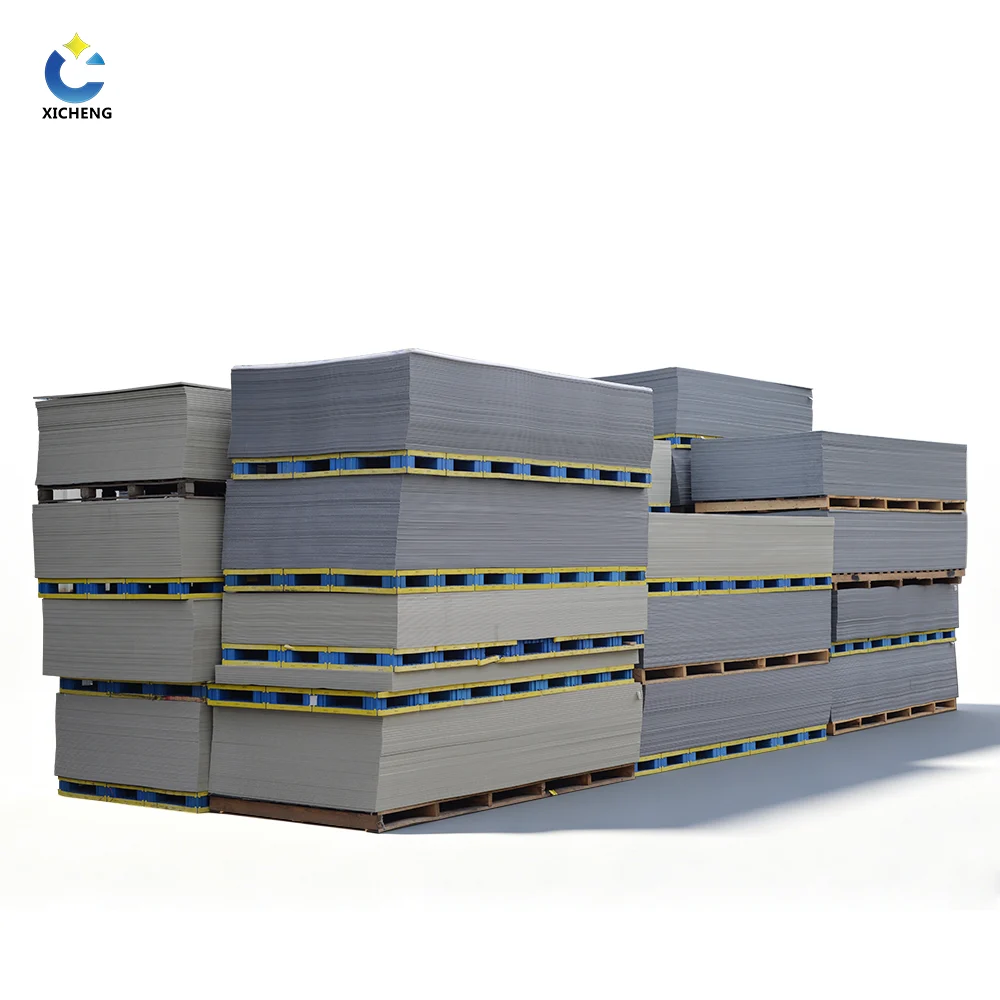
Published retail prices for black polypropylene sheet sit on the same grid as natural, because black carries no color premium. A full 0.125-inch black 48 by 96 sheet is listed near 84 dollars by one distributor, a black UV sheet at 1/4 by 24 by 24 inches near 55 dollars, a full 48 by 96 black homopolymer sheet near 273 dollars at the thicker gauges, and a cut-to-size black sheet from a UK supplier from about 19 to 35 pounds. The spread is thickness and size, not color, and the same numbers carry the caveat that a light hollow panel and a heavy structural board differ tenfold for the same footprint. Compare in price per square meter against the same grade, thickness, and finish, and a black sheet prices exactly like a natural sheet.
The color premium appears only outside the standard range. White adds a small premium for titanium dioxide, and custom and RAL-matched colors add the masterbatch and matching cost, which is visible on a small order and disappears on a container. Recycled-content black sheet is the cheapest grade of all, because the pigment hides the base resin color, and it is specified where appearance rather than material pedigree is the requirement. The price questions that a quotation must answer are the same ones covered in the polypropylene sheet price guide, and a black sheet quote is only comparable once the grade, the GSM or gauge, and the color base are fixed.
Color Premiums, Cutting, and Quantity Breaks
The delivered price of a black polypropylene sheet is set by the same lines as any polypropylene sheet: the size and thickness, the quantity, the resin and color specification, the cutting or drilling, and the freight. A sheet cut to size carries a per-cut fee, and a nesting plan that minimizes cuts also minimizes the charge, while a full 4 by 8 sheet is 2.98 square meters and its weight is the working figure for freight. Wholesale and factory-direct pricing at pallet or container volume runs well below retail per sheet, and the polypropylene sheet manufacturer guide covers how to qualify a supplier. The sizing detail and weights for the standard panel are in the polypropylene sheets 4×8 guide, and the delivered cost per usable square meter with the color specification held fixed is the only honest comparator between two quotes.
FAQ
Can polypropylene sheet be colored?
Yes. Color is added as a masterbatch pigment at the compounding stage before extrusion, so a colored polypropylene sheet is colored through the full thickness and the color cannot peel or wear off. Natural, black, white, grey, blue, green, red, and yellow are standard stock colors, and custom RAL-matched or sample-matched colors are available on production-volume orders.
Is black PP sheet UV stabilized?
Usually yes. Carbon black pigment absorbs ultraviolet radiation, so a black polypropylene sheet resists photo-degradation far better than natural, white, or clear sheet, and the protection lasts through the material thickness. For the longest outdoor life, specify a black sheet with added UV stabilizers and confirm the UV rating on the supplier data sheet.
What colors does polypropylene sheet come in?
Standard stock colors are black, white, and natural, with grey, blue, green, red, and yellow commonly available in the fluted and solid formats. Custom colors are matched to RAL references or physical samples on production-volume orders, and recycled-content black sheet is widely available as the economy grade.
Is black polypropylene sheet food safe?
A black polypropylene sheet is food safe when the resin and the colorant are both certified for food contact, which is a stated specification rather than an automatic property of the color. Certified food-grade sheets are used for food containers, hygiene-room wall cladding, and washdown panels, and the certification is part of the printed specification.
Is colored polypropylene sheet as strong as natural?
Yes. The pigment is a small fraction of the sheet weight and does not change density, tensile or impact strength, chemical resistance, or welding behavior. The one difference is ultraviolet performance: black sheet resists UV better than white, natural, or clear sheet of the same grade.
Key Takeaways
- Color is in the material, not on it. A black polypropylene sheet is colored through its full thickness by a carbon black masterbatch, so the color cannot peel or wear off and survives cutting and welding.
- Black is the default opaque grade. Carbon black is cheap and standard, so black sheet prices like natural, carries no color premium, and is stocked by every supplier.
- Specify the resin separately from the color. Homopolymer is stiffer and higher melting; copolymer resists cold impact and stress cracking, and the color tells you nothing about which one you are buying.
- Black is inherently UV resistant. Carbon black absorbs ultraviolet, so outdoor parts are made black by default; white and colored grades need added UV stabilizers for outdoor service.
- The color premium is small until you leave the standard range. White adds a small premium, custom and RAL colors add batch and matching costs, and recycled black is the cheapest grade of all.
Conclusion
A black polypropylene sheet is one specification rather than a color slapped on a standard product. The buyer who understands that the color is a masterbatch in the extrusion, that the sheet is fully opaque, that the resin must be chosen separately, and that black carries the UV duty through its own pigment, gets the panel that performs. The price of black polypropylene sheet is the price of natural at equal thickness, and the premium only appears when the specification moves to white, custom colors, or certified food-contact grades. Read the data sheet for the grade and the UV rating, compare quotes in price per delivered square meter with the color specification held fixed, and the black sheet becomes a routine buying decision rather than a gamble.
When you are ready to order, review the PP sheet product range for black, white, grey, and flame-retardant grades, or contact the Xicheng engineering team with your color reference, thickness, quantity, and duty for a factory-direct quotation.